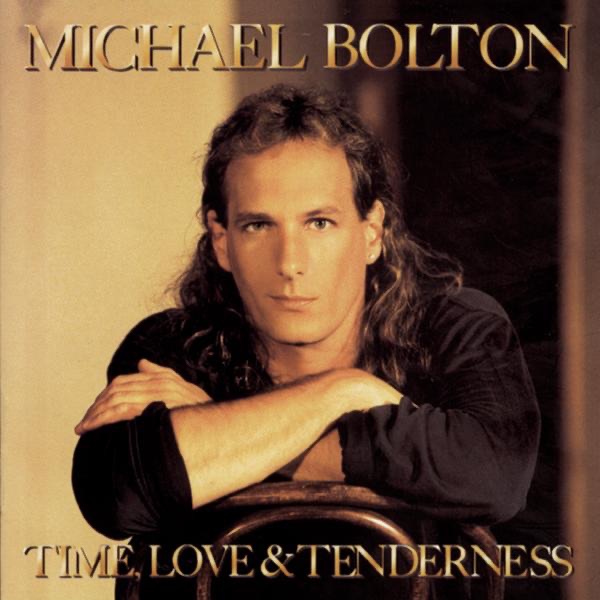
Time, Love and Tenderness
Michael Bolton · Time, Love & Tenderness
Kind comfort for heartbreak, but healing without reference to God.
Where the words land
Signal: Worth Weighing, leaning edifying.
What do these signals mean?
- Edifying: Points the heart toward God, truth, hope, or love.
- Worth Weighing: Real good and real concern together. Test it before you take it in.
- Strained: Strains against Scripture: leans toward what could dull or mislead.
- At Odds: At odds with Scripture: celebrates what it warns against. Little here builds up.
Weighed against Scripture
“And you say all your hope is gone”
“Why are you downcast, O my soul? Why the unease within me? Put your hope in God, for I will yet praise Him, my Savior and my God.”
The song names the same despair the psalmist wrestles with, before urging the listener toward hope.
“What you need is to have some faith”
“Now faith is the assurance of what we hope for and the certainty of what we do not see.”
The song's 'faith' is vague self-encouragement, while Scripture roots faith in the assurance of God's promises specifically.
“Someday you'll laugh at the heartache”
“For His anger is fleeting, but His favor lasts a lifetime. Weeping may stay the night, but joy comes in the morning.”
Both affirm that sorrow is not permanent, though the Psalm credits God's favor as the reason joy returns.
The song as a whole
“He heals the brokenhearted and binds up their wounds.”
Scripture names God himself as the healer of the brokenhearted, while the song locates healing entirely in time and human affection.
In short
This is a warm, comforting song aimed at someone going through heartbreak, promising that pain fades and love can mend what's broken. It's sincere and kind, but the hope it offers is entirely horizontal: time and human tenderness, not anything beyond us. There's nothing objectionable here, just a limited vision of healing.
- Spiritual posture
It reaches toward healing and hope after pain, though the comfort offered is human affection and patience rather than anything transcendent.
- Apparent intent
Clearly meant to soothe and encourage a hurting listener, pointing them toward better days ahead.
What do these ratings mean?
- Lyrical content, what the words say on the surface. Clean: nothing coarse, sexual or violent. Mild: a trace of it, by allusion or a rare word. Strong: profanity, sex or violence in plain words. Explicit: graphic, or sin held up to admire.
- Spiritual posture, where the song's heart points. God-honoring: toward God, truth or hope. Searching: honestly reaching or wrestling toward truth, without arriving. Neutral: spiritually indifferent; neither reaches nor rejects. Dark: despairing, nihilistic, self-exalting or hostile to God.
- Apparent intent, what the song is for. Edifying: worship, encouragement, honest lament. Cathartic: letting grief, anger or longing out, told honestly. Ambiguous: hard to say what the song is for. Harmful: celebrates evil, mocks faith or draws toward sin.
Where do you turn first when your heart is breaking, and is there room in that comfort for more than time and human love?
An AI-assisted reading. It can misread a lyric, a metaphor or a song’s intent.


