Tonight Tonight
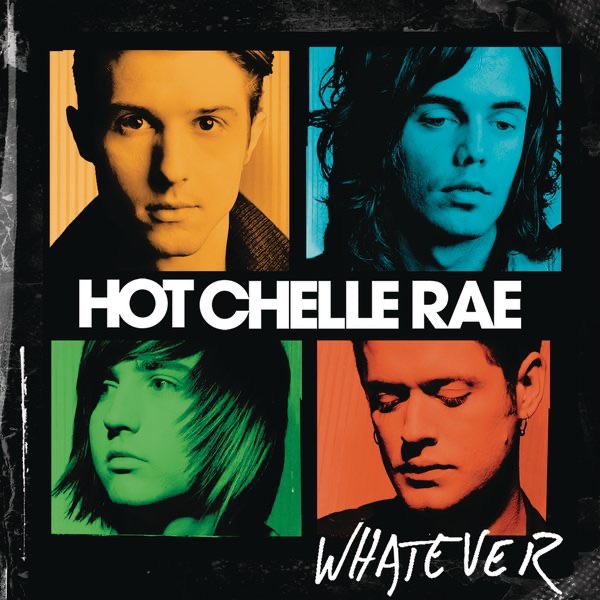
Hot Chelle Rae · Whatever
A breakup drowned out with a party instead of healed.
Where the words land
Signal: Worth Weighing, leaning strained.
What do these signals mean?
- Edifying: Points the heart toward God, truth, hope, or love.
- Worth Weighing: Real good and real concern together. Test it before you take it in.
- Strained: Strains against Scripture: leans toward what could dull or mislead.
- At Odds: At odds with Scripture: celebrates what it warns against. Little here builds up.
Weighed against Scripture
“My girlfriend went and cheated on me”
“He heals the brokenhearted and binds up their wounds.”
The song moves straight from betrayal into distraction, skipping the healing this verse promises for the brokenhearted.
The song as a whole
“Even in laughter the heart may ache, and joy may end in sorrow.”
This line is an almost exact echo of the proverb: laughter covering a hidden ache that never gets addressed.
“Do not get drunk on wine, which leads to reckless indiscretion. Instead, be filled with the Spirit.”
The blackout haze played for laughs here is the opposite of the sober-mindedness Paul urges in contrast to drunkenness.
I said to myself, “Come now, I will test you with pleasure; enjoy what is good!” But it proved to be futile. I said of laughter, “It is folly,” and of pleasure, “What does it accomplish?”
The whole song's posture, chase pleasure and noise to drown out pain, mirrors the Preacher's experiment that he concludes is empty.
In short
Underneath the bouncy hook is a guy nursing a breakup by throwing himself into a reckless night out. It's not malicious or dark, just avoidant: numb the hurt with noise, crowds, and a blurry night rather than deal with it. The 'fake it till it's alright' line is the most honest moment in the song, and it's telling that nothing resolves it.
- Lyrical content
Party anthem about heartbreak, drinking haze, and a wild night out. No explicit language, but it's casual about numbing pain with chaos and partying.
- Spiritual posture
The song masks real pain ('seven days of torture') with bravado and distraction rather than any upward reach. It settles for faking it being 'alright' instead of actually finding peace.
- Apparent intent
Clearly meant as a fun, danceable escape anthem after a breakup, not a serious meditation on pain. The intent is release through revelry, not reflection.
What do these ratings mean?
- Lyrical content, what the words say on the surface. Clean: nothing coarse, sexual or violent. Mild: a trace of it, by allusion or a rare word. Strong: profanity, sex or violence in plain words. Explicit: graphic, or sin held up to admire.
- Spiritual posture, where the song's heart points. God-honoring: toward God, truth or hope. Searching: honestly reaching or wrestling toward truth, without arriving. Neutral: spiritually indifferent; neither reaches nor rejects. Dark: despairing, nihilistic, self-exalting or hostile to God.
- Apparent intent, what the song is for. Edifying: worship, encouragement, honest lament. Cathartic: letting grief, anger or longing out, told honestly. Ambiguous: hard to say what the song is for. Harmful: celebrates evil, mocks faith or draws toward sin.
Does this song's 'fake it till it's alright' mirror how you actually cope with pain, and is that serving you?
An AI-assisted reading. It can misread a lyric, a metaphor or a song’s intent.