Too Sweet
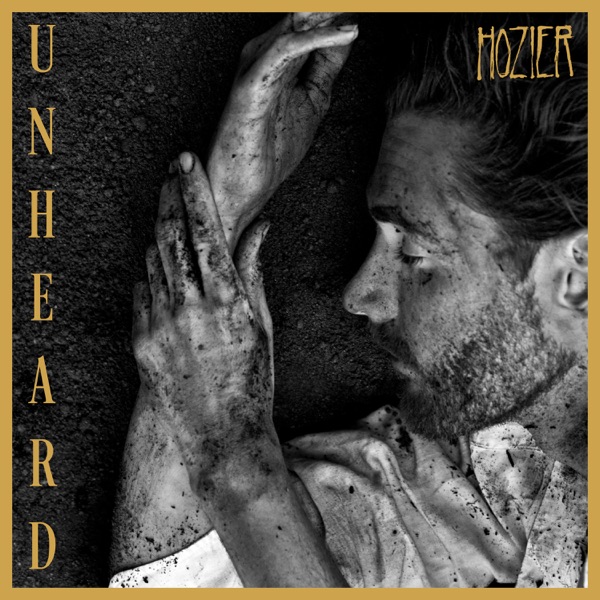
Hozier · Unheard - EP
A playful ode to vice and virtue falling for each other anyway.
Where the words land
Signal: Worth Weighing, leaning edifying.
What do these signals mean?
- Edifying: Points the heart toward God, truth, hope, or love.
- Worth Weighing: Real good and real concern together. Test it before you take it in.
- Strained: Strains against Scripture: leans toward what could dull or mislead.
- At Odds: At odds with Scripture: celebrates what it warns against. Little here builds up.
Weighed against Scripture
“I think I'll take my whiskey neat”
“Wine is a mocker, strong drink is a brawler, and whoever is led astray by them is not wise.”
The narrator romanticizes drink as a marker of identity, which stands against Proverbs' warning that wine leads to mockery and poor judgment.
“Who wants to live forever, babe?”
“Nothing is better for a man than to eat and drink and enjoy his work. I have also seen that this is from the hand of God. For apart from Him, who can eat and who can find enjoyment?”
Echoes the Preacher's weary hedonism, finding meaning in small pleasures like food and drink rather than eternal purpose.
“Bright as the morning, as soft as the rain”
“You are altogether beautiful, my darling; in you there is no flaw.”
The tender admiration of the partner's goodness recalls the poetic praise of a beloved's beauty and character.
The song as a whole
A man is not defiled by what enters his mouth, but by what comes out of it.”
Jesus taught that what comes out of the mouth defiles, not what goes in; the song inverts this by treating dietary purity as near-sacred discipline, which the narrator gently mocks.
Words of Christ are set in red.
In short
This is a tongue-in-cheek love song about two very different lifestyles: one disciplined and healthy, the other self-indulgent and nocturnal. Hozier isn't glorifying ruin so much as poking fun at his own vices while genuinely admiring someone who lives better than he does. There's no despair here, just playful self-deprecation and real affection.
- Lyrical content
References to whiskey, late nights, and self-destructive habits, framed playfully rather than graphically.
- Spiritual posture
The song doesn't reach toward or away from God; it's a wry comparison of two lifestyles, self-indulgence versus clean living.
- Apparent intent
Hozier seems to be playfully defending his own vices while admiring a healthier partner, more self-aware irony than genuine endorsement of ruin.
What do these ratings mean?
- Lyrical content, what the words say on the surface. Clean: nothing coarse, sexual or violent. Mild: a trace of it, by allusion or a rare word. Strong: profanity, sex or violence in plain words. Explicit: graphic, or sin held up to admire.
- Spiritual posture, where the song's heart points. God-honoring: toward God, truth or hope. Searching: honestly reaching or wrestling toward truth, without arriving. Neutral: spiritually indifferent; neither reaches nor rejects. Dark: despairing, nihilistic, self-exalting or hostile to God.
- Apparent intent, what the song is for. Edifying: worship, encouragement, honest lament. Cathartic: letting grief, anger or longing out, told honestly. Ambiguous: hard to say what the song is for. Harmful: celebrates evil, mocks faith or draws toward sin.
Does this song's playful tone about vice sit comfortably with how you want to live, or does it just make self-indulgence sound charming?
An AI-assisted reading. It can misread a lyric, a metaphor or a song’s intent.


