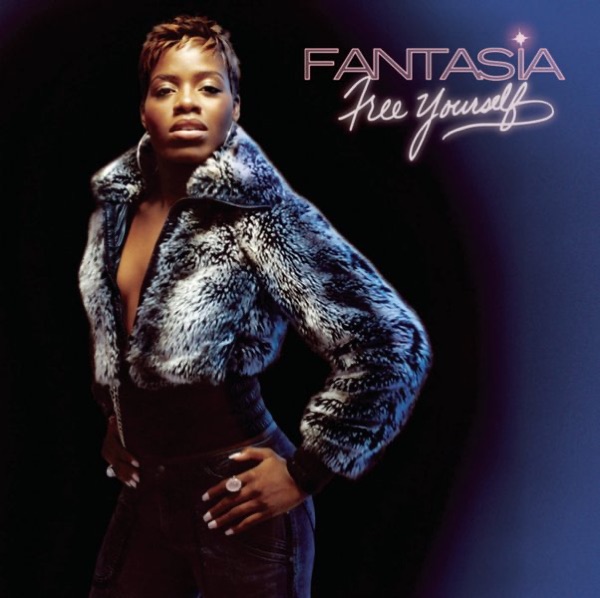
Truth Is
Fantasia · Free Yourself
Honest heartbreak and regret, confessed without excuse or despair.
Where the words land
Signal: Edifying, leaning worth weighing.
What do these signals mean?
- Edifying: Points the heart toward God, truth, hope, or love.
- Worth Weighing: Real good and real concern together. Test it before you take it in.
- Strained: Strains against Scripture: leans toward what could dull or mislead.
- At Odds: At odds with Scripture: celebrates what it warns against. Little here builds up.
Weighed against Scripture
“And all the feelings that I thought were gone”
“Guard your heart with all diligence, for from it flow springs of life.”
Her admission that buried feelings resurface unbidden mirrors the wisdom that the heart must be carefully guarded, since what's within it shapes everything else.
“Because I let him go”
Do not say, “Why were the old days better than these?” For it is unwise of you to ask about this.
She lingers in 'the former days were better,' while this verse cautions against that very posture, not to deny the pain but to warn against camping there.
“I just gotta be honest”
“O Lord, my every desire is before You; my groaning is not hidden from You.”
Her raw confession of longing echoes the psalmist's pattern of laying desire and sighing openly before being known, even without resolution.
In short
This is a song about the ambush of old feelings, the particular sting of seeing someone you loved move on while you're still stuck. Fantasia isn't moralizing or wallowing in despair, she's confessing regret plainly: she let him go, and the truth of that still hurts. It's relationally honest rather than spiritually directional, more about the complexity of the human heart than any larger meaning.
- Spiritual posture
The song stays within human longing and regret; it doesn't reach toward God or away from him, just honest emotional reckoning.
- Apparent intent
Fantasia is naming an honest, relatable ache, admitting fault and heartbreak rather than glamorizing anything destructive.
What do these ratings mean?
- Lyrical content, what the words say on the surface. Clean: nothing coarse, sexual or violent. Mild: a trace of it, by allusion or a rare word. Strong: profanity, sex or violence in plain words. Explicit: graphic, or sin held up to admire.
- Spiritual posture, where the song's heart points. God-honoring: toward God, truth or hope. Searching: honestly reaching or wrestling toward truth, without arriving. Neutral: spiritually indifferent; neither reaches nor rejects. Dark: despairing, nihilistic, self-exalting or hostile to God.
- Apparent intent, what the song is for. Edifying: worship, encouragement, honest lament. Cathartic: letting grief, anger or longing out, told honestly. Ambiguous: hard to say what the song is for. Harmful: celebrates evil, mocks faith or draws toward sin.
Does naming this kind of regret honestly help you process it, or does it pull you back into dwelling on what's gone?
An AI-assisted reading. It can misread a lyric, a metaphor or a song’s intent.


