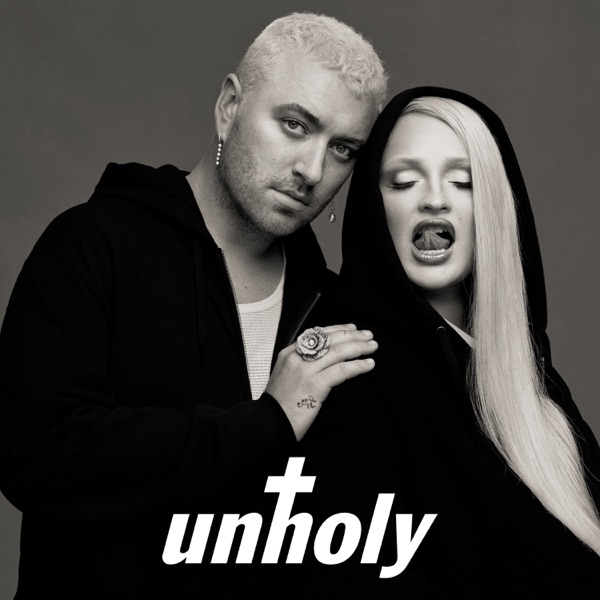
Unholy
Sam Smith & Kim Petras · Unholy - Single
A catchy beat wrapped around betrayal treated as a game.
Where the words land
Signal: At Odds.
What do these signals mean?
- Edifying: Points the heart toward God, truth, hope, or love.
- Worth Weighing: Real good and real concern together. Test it before you take it in.
- Strained: Strains against Scripture: leans toward what could dull or mislead.
- At Odds: At odds with Scripture: celebrates what it warns against. Little here builds up.
Weighed against Scripture
“Mummy don't know daddy's getting hot”
“Marriage should be honored by all and the marriage bed kept undefiled, for God will judge the sexually immoral and adulterers.”
The song treats marital betrayal as a secret thrill, directly opposing the call to honor marriage and keep it undefiled.
“She'd kick you out if she ever, ever knew”
“He who commits adultery lacks judgment; whoever does so destroys himself. Wounds and dishonor will befall him, and his reproach will never be wiped away.”
Proverbs warns that adultery destroys the one who does it; the song skips past any consequence and plays the deception for fun.
“Give me love, give me Fendi, my Balenciaga daddy”
“Those who want to be rich, however, fall into temptation and become ensnared by many foolish and harmful desires that plunge them into ruin and destruction. For the love of money is the root of all kinds of evil. By craving it, some have wandered away from the faith and pierced themselves with many sorrows.”
The pursuit of luxury goods as the reward for the affair mirrors the love of money Paul warns leads people into ruin.
The song as a whole
Has not the LORD made them one, having a portion of the Spirit? And why one? Because He seeks godly offspring. So guard yourselves in your spirit and do not break faith with the wife of your youth. “For I hate divorce,” says the LORD, the God of Israel. “He who divorces his wife covers his garment with violence,” says the LORD of Hosts. So guard yourselves in your spirit and do not break faith.
God's concern here is for faithfulness for the sake of one's offspring; the song casually normalizes a father abandoning his kids for an affair.
“But among you, as is proper among the saints, there must not be even a hint of sexual immorality, or of any kind of impurity, or of greed. Nor should there be obscenity, foolish talk, or crude joking, which are out of character, but rather thanksgiving.”
The whole song's playful tone toward sexual immorality stands opposite Paul's instruction that such things shouldn't even be joked about among believers.
In short
This is a glossy, hook-driven song that turns infidelity into a wink-wink party anthem. There's no reckoning with the damage done to a spouse, kids, or the other woman involved; it's all surface pleasure and secrecy dressed as fun. The catchiness does a lot of work to make something destructive feel harmless.
- Lyrical content
Explicit depiction of an affair, infidelity dressed in innuendo, and transactional sex for money and luxury goods.
- Spiritual posture
The song treats betrayal and deceit as titillating rather than tragic; there's no moral weight given to the hurt caused, just glamor and gossip.
- Apparent intent
Built as a catchy, danceable celebration of secret infidelity and materialistic seduction, not as cautionary storytelling or lament.
What do these ratings mean?
- Lyrical content, what the words say on the surface. Clean: nothing coarse, sexual or violent. Mild: a trace of it, by allusion or a rare word. Strong: profanity, sex or violence in plain words. Explicit: graphic, or sin held up to admire.
- Spiritual posture, where the song's heart points. God-honoring: toward God, truth or hope. Searching: honestly reaching or wrestling toward truth, without arriving. Neutral: spiritually indifferent; neither reaches nor rejects. Dark: despairing, nihilistic, self-exalting or hostile to God.
- Apparent intent, what the song is for. Edifying: worship, encouragement, honest lament. Cathartic: letting grief, anger or longing out, told honestly. Ambiguous: hard to say what the song is for. Harmful: celebrates evil, mocks faith or draws toward sin.
Does the song's playful tone make you forget what's actually being celebrated here, and who gets hurt by it?
An AI-assisted reading. It can misread a lyric, a metaphor or a song’s intent.


