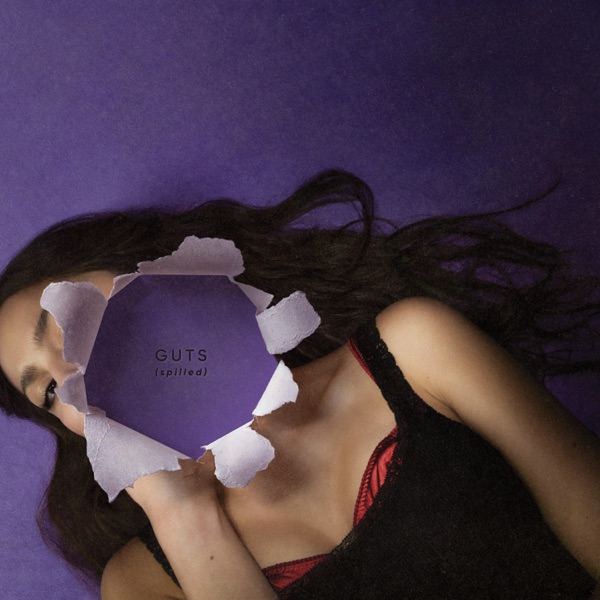
vampire
Olivia Rodrigo · GUTS (spilled)
Angry, honest reckoning with being used, not a celebration of it.
Where the words land
Signal: Worth Weighing, leaning edifying.
What do these signals mean?
- Edifying: Points the heart toward God, truth, hope, or love.
- Worth Weighing: Real good and real concern together. Test it before you take it in.
- Strained: Strains against Scripture: leans toward what could dull or mislead.
- At Odds: At odds with Scripture: celebrates what it warns against. Little here builds up.
Weighed against Scripture
“How's the castle built off people you pretend to care about?”
“Woe to him who builds his palace by unrighteousness, and his upper rooms without justice, who makes his countrymen serve without pay, and fails to pay their wages,
Jeremiah condemns building a house through injustice to others; the song exposes a similar pattern of success built on used people.
“You can't love anyone, 'cause that would mean you had a heart”
“Love is patient, love is kind. It does not envy, it does not boast, it is not proud. It is not rude, it is not self-seeking, it is not easily angered, it keeps no account of wrongs. Love takes no pleasure in evil, but rejoices in the truth. It bears all things, believes all things, hopes all things, endures all things.”
Her description of a love that only takes and never gives stands against Paul's picture of real love, which is patient, kind, and not self-seeking.
The song as a whole
“The prudent see danger and take cover, but the simple keep going and suffer the consequences.”
Her hindsight, seeing the danger she missed, mirrors the proverb's warning about recognizing harm only after being caught in it.
“The wounds of a friend are faithful, but the kisses of an enemy are deceitful.”
The warnings of others, dismissed until too late, echo the wisdom that honest wounds from friends are worth more than flattering lies.
In short
This is a song of someone untangling themselves from a manipulative relationship, angry at both the person who used her and at herself for not seeing it sooner. The vampire imagery captures being drained, deceived, and sold out for someone else's image. It doesn't glamorize the relationship; it exposes it.
- Lyrical content
Direct profanity and a predatory metaphor run throughout, but there's no sexual content; the language is sharp, angry, and confessional rather than gratuitous.
- Spiritual posture
The song is a clear-eyed reckoning with having been used and deceived. There's no gratitude or praise, but also no self-glorification; it's an honest naming of harm and her own naivety.
- Apparent intent
This reads as processing real betrayal, calling out manipulation for what it is rather than wallowing in it or glamorizing the relationship.
What do these ratings mean?
- Lyrical content, what the words say on the surface. Clean: nothing coarse, sexual or violent. Mild: a trace of it, by allusion or a rare word. Strong: profanity, sex or violence in plain words. Explicit: graphic, or sin held up to admire.
- Spiritual posture, where the song's heart points. God-honoring: toward God, truth or hope. Searching: honestly reaching or wrestling toward truth, without arriving. Neutral: spiritually indifferent; neither reaches nor rejects. Dark: despairing, nihilistic, self-exalting or hostile to God.
- Apparent intent, what the song is for. Edifying: worship, encouragement, honest lament. Cathartic: letting grief, anger or longing out, told honestly. Ambiguous: hard to say what the song is for. Harmful: celebrates evil, mocks faith or draws toward sin.
Does this song help you name and release a real hurt, or does the language itself become something you'd rather not carry with you?
An AI-assisted reading. It can misread a lyric, a metaphor or a song’s intent.