Vienna
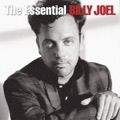
Billy Joel · The Stranger
A gentle call to trade anxious striving for patience and perspective.
Where the words land
Signal: Edifying.
What do these signals mean?
- Edifying: Points the heart toward God, truth, hope, or love.
- Worth Weighing: Real good and real concern together. Test it before you take it in.
- Strained: Strains against Scripture: leans toward what could dull or mislead.
- At Odds: At odds with Scripture: celebrates what it warns against. Little here builds up.
Weighed against Scripture
“Why are you still so afraid?”
“Who of you by worrying can add a single hour to his life?”
Jesus asks the same probing question about anxious striving: worry adds nothing to a life, it only steals peace from it.
“only So many hours in a day”
“So teach us to number our days, that we may present a heart of wisdom.”
The psalmist's plea to 'number our days' matches the song's call to perspective: time is finite, so use it wisely rather than frantically.
“you can get what you want Or you can just get old”
“Anything my eyes desired, I did not deny myself. I refused my heart no pleasure. For my heart took delight in all my work, and this was the reward for all my labor. Yet when I considered all the works that my hands had accomplished and what I had toiled to achieve, I found everything to be futile, a pursuit of the wind; there was nothing to be gained under the sun.”
Qoheleth's verdict on chasing every want mirrors the song's warning that relentless striving can leave you old without having truly lived.
The song as a whole
“Even zeal is no good without knowledge, and he who hurries his footsteps misses the mark.”
Proverbs likewise warns that zeal without knowledge, rushing ahead without reflection, is no virtue.
“I am not saying this out of need, for I have learned to be content regardless of my circumstances. I know how to live humbly, and I know how to abound. In any and every situation I have learned the secret of being filled and being hungry, of having plenty and having need.”
Paul's learned contentment 'in whatever state' is the deeper answer the song gestures toward but doesn't quite name: rest found apart from achievement.
Words of Christ are set in red.
In short
Vienna is Billy Joel's tender rebuke to his own youthful hurry, the fear that if you're not everything right now you've failed. It doesn't preach, but it quietly argues for patience, self-acceptance, and trust that life has more time and more seasons than anxious ambition admits. The metaphor of 'Vienna' stands for all the unlived life still waiting, undamaged, if you'll only slow down.
- Spiritual posture
It reaches past ambition and fear toward patience and self-knowledge, without naming God but genuinely wrestling with what a life is for.
What do these ratings mean?
- Lyrical content, what the words say on the surface. Clean: nothing coarse, sexual or violent. Mild: a trace of it, by allusion or a rare word. Strong: profanity, sex or violence in plain words. Explicit: graphic, or sin held up to admire.
- Spiritual posture, where the song's heart points. God-honoring: toward God, truth or hope. Searching: honestly reaching or wrestling toward truth, without arriving. Neutral: spiritually indifferent; neither reaches nor rejects. Dark: despairing, nihilistic, self-exalting or hostile to God.
- Apparent intent, what the song is for. Edifying: worship, encouragement, honest lament. Cathartic: letting grief, anger or longing out, told honestly. Ambiguous: hard to say what the song is for. Harmful: celebrates evil, mocks faith or draws toward sin.
Where in your own life might you be racing toward 'everything' instead of trusting there's still time to grow into it?
An AI-assisted reading. It can misread a lyric, a metaphor or a song’s intent.