Vogue
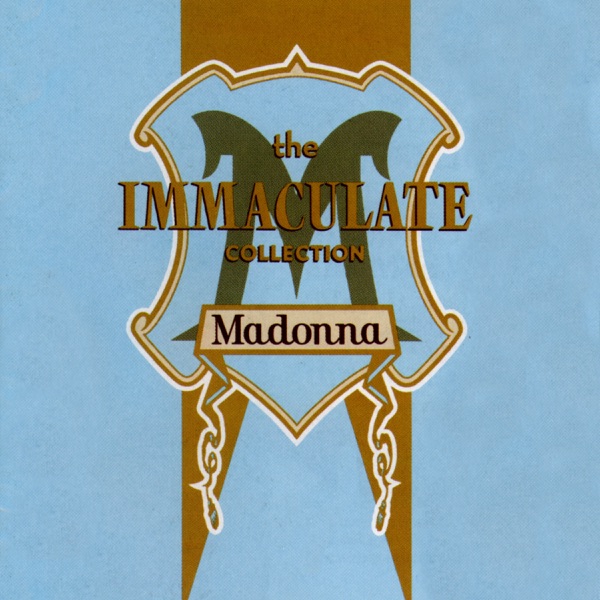
Madonna · The Immaculate Collection
A glittering escape from pain that never looks past the dance floor.
Where the words land
Signal: Worth Weighing, leaning strained.
What do these signals mean?
- Edifying: Points the heart toward God, truth, hope, or love.
- Worth Weighing: Real good and real concern together. Test it before you take it in.
- Strained: Strains against Scripture: leans toward what could dull or mislead.
- At Odds: At odds with Scripture: celebrates what it warns against. Little here builds up.
Weighed against Scripture
“everywhere you turn is heartache”
“The LORD is near to the brokenhearted; He saves the contrite in spirit.”
The song names the heartache everyone feels but offers the dance floor as the remedy; Scripture points instead to a God who is near the brokenhearted.
“I know a place where you can get away”
“God is our refuge and strength, an ever-present help in times of trouble.”
The song's refuge is a dance floor and self-expression; the Psalm offers an actual refuge in God amid trouble.
“You're a superstar, yes that's what you are”
This is what the LORD says: “Cursed is the man who trusts in mankind, who makes mere flesh his strength and turns his heart from the LORD.
The song affirms self-sufficiency and self-glory as the cure for pain, while Scripture warns against placing ultimate trust and identity in human strength or image.
The song as a whole
“Charm is deceptive and beauty is fleeting, but a woman who fears the LORD is to be praised.”
The song gestures toward beauty being found in feeling and soul, yet still roots worth in appearance and performance rather than something more lasting.
“Anything my eyes desired, I did not deny myself. I refused my heart no pleasure. For my heart took delight in all my work, and this was the reward for all my labor. Yet when I considered all the works that my hands had accomplished and what I had toiled to achieve, I found everything to be futile, a pursuit of the wind; there was nothing to be gained under the sun.”
The song's pursuit of pleasure, glamour, and self-made joy echoes the Preacher's experiment, which he ultimately calls meaningless chasing after wind.
In short
Vogue names real pain, the kind everyone eventually bumps into, and then offers a glittering escape hatch: lose yourself in music, movement, and old Hollywood glamour. It's a joyful, inclusive anthem about self-invention, but the comfort it offers is entirely self-generated, rooted in image and imagination rather than anything beyond the self. There's genuine warmth here (the call to let go of judgment based on race or gender), but no reach toward anything transcendent.
- Spiritual posture
Names real heartache and the desire to escape it, but locates the answer entirely in self-expression, image, and the dance floor rather than anything deeper.
- Apparent intent
A celebration of escapism, inclusion, and self-invention through movement and style; meant to uplift and liberate, but the uplift is self-generated.
What do these ratings mean?
- Lyrical content, what the words say on the surface. Clean: nothing coarse, sexual or violent. Mild: a trace of it, by allusion or a rare word. Strong: profanity, sex or violence in plain words. Explicit: graphic, or sin held up to admire.
- Spiritual posture, where the song's heart points. God-honoring: toward God, truth or hope. Searching: honestly reaching or wrestling toward truth, without arriving. Neutral: spiritually indifferent; neither reaches nor rejects. Dark: despairing, nihilistic, self-exalting or hostile to God.
- Apparent intent, what the song is for. Edifying: worship, encouragement, honest lament. Cathartic: letting grief, anger or longing out, told honestly. Ambiguous: hard to say what the song is for. Harmful: celebrates evil, mocks faith or draws toward sin.
When life aches, where do you actually go: into self-expression and distraction, or toward something (someone) that can bear the weight?
An AI-assisted reading. It can misread a lyric, a metaphor or a song’s intent.