Welcome Home, Son
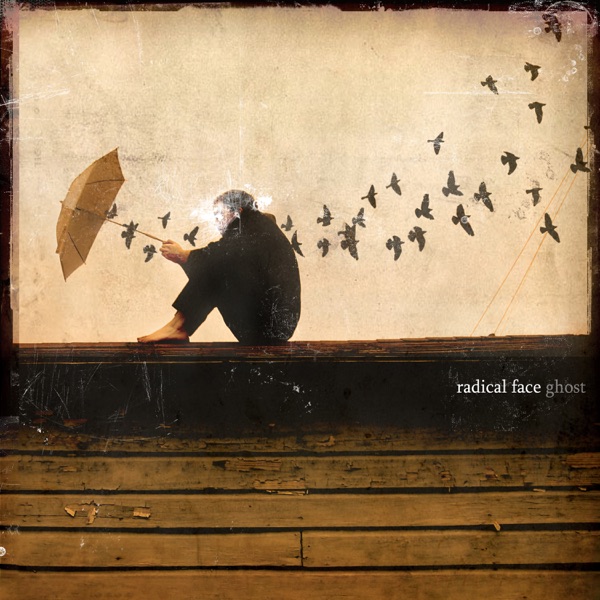
Radical Face · Ghost
A haunted, honest ache for rest and healing, not yet arrived but reaching.
Where the words land
Signal: Edifying, leaning worth weighing.
What do these signals mean?
- Edifying: Points the heart toward God, truth, hope, or love.
- Worth Weighing: Real good and real concern together. Test it before you take it in.
- Strained: Strains against Scripture: leans toward what could dull or mislead.
- At Odds: At odds with Scripture: celebrates what it warns against. Little here builds up.
Weighed against Scripture
“All my nightmares escaped my head / Bar the door”
“I will lie down and sleep in peace, for You alone, O LORD, make me dwell in safety.”
Where the psalmist finds peace enough to sleep because God keeps him safe, this narrator is still bracing the door against fear alone.
The song as a whole
“I am weary from groaning; all night I flood my bed with weeping and drench my couch with tears.”
The psalmist also describes sleepless nights soaked in grief, giving voice to the same raw exhaustion.
“He heals the brokenhearted and binds up their wounds.”
The desire to be free of old wounds mirrors the hope that God binds up the brokenhearted, even if the song doesn't name who does the healing.
“The Spirit of the Lord GOD is on Me, because the LORD has anointed Me to preach good news to the poor. He has sent Me to bind up the brokenhearted, to proclaim liberty to the captives and freedom to the prisoners,”
The whole song's longing for homecoming and release from old scars echoes the promise of binding up the brokenhearted, even without naming who does the binding.
In short
This song sits in the quiet exhaustion of someone haunted by memory, insomnia, and old wounds, reaching for a homecoming that still feels unfinished. It doesn't resolve into easy comfort, but it also doesn't stay trapped in despair; there's a real longing to lay the scars down. It's less a statement of faith than an honest confession of what unresolved pain feels like.
- Spiritual posture
The narrator is wrestling with insomnia, old wounds, and haunting memories, reaching toward rest and homecoming without fully arriving there.
- Apparent intent
This reads as personal, almost confessional songwriting, processing trauma and the ache of return rather than glamorizing pain.
What do these ratings mean?
- Lyrical content, what the words say on the surface. Clean: nothing coarse, sexual or violent. Mild: a trace of it, by allusion or a rare word. Strong: profanity, sex or violence in plain words. Explicit: graphic, or sin held up to admire.
- Spiritual posture, where the song's heart points. God-honoring: toward God, truth or hope. Searching: honestly reaching or wrestling toward truth, without arriving. Neutral: spiritually indifferent; neither reaches nor rejects. Dark: despairing, nihilistic, self-exalting or hostile to God.
- Apparent intent, what the song is for. Edifying: worship, encouragement, honest lament. Cathartic: letting grief, anger or longing out, told honestly. Ambiguous: hard to say what the song is for. Harmful: celebrates evil, mocks faith or draws toward sin.
Where do you take the scars and sleepless nights this song names, and who do you ask to carry them?
An AI-assisted reading. It can misread a lyric, a metaphor or a song’s intent.



