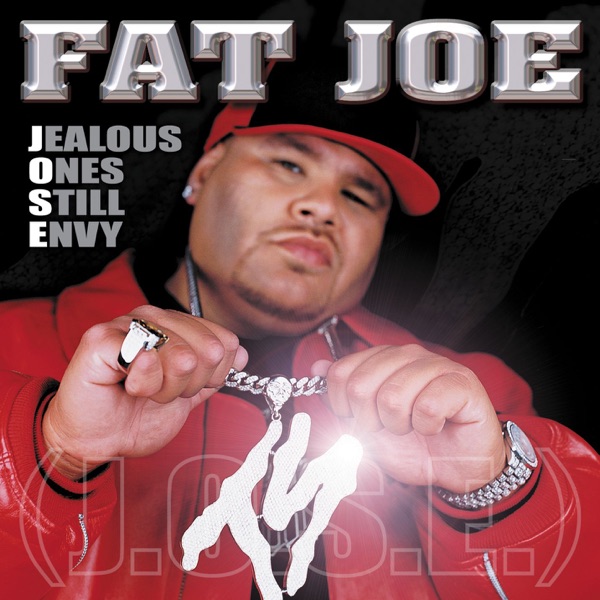
What's Luv? (feat. Ashanti)
Fat Joe · What's Luv? (feat. Ashanti) - Single
Uses the word 'love' to dress up conquest and infidelity.
Where the words land
Signal: At Odds.
What do these signals mean?
- Edifying: Points the heart toward God, truth, hope, or love.
- Worth Weighing: Real good and real concern together. Test it before you take it in.
- Strained: Strains against Scripture: leans toward what could dull or mislead.
- At Odds: At odds with Scripture: celebrates what it warns against. Little here builds up.
Weighed against Scripture
“What's love? It's about us, it's about trust babe”
“Love is patient, love is kind. It does not envy, it does not boast, it is not proud. It is not rude, it is not self-seeking, it is not easily angered, it keeps no account of wrongs. Love takes no pleasure in evil, but rejoices in the truth. It bears all things, believes all things, hopes all things, endures all things.”
Real love is patient, kind, and does not seek its own way; the hook borrows the language of trust while the lyrics describe exactly the opposite.
“You say you gotta man and you're in love”
“You shall not commit adultery.”
The song openly pursues a woman already committed to someone else, treating her existing relationship as an obstacle to route around rather than respect.
“I wanna chick with thick hips that licks her lips”
“I have made a covenant with my eyes. How then could I gaze with desire at a virgin?
Job's covenant with his eyes stands opposite to the song's roving, appraising gaze toward women as objects of conquest.
The song as a whole
“Marriage should be honored by all and the marriage bed kept undefiled, for God will judge the sexually immoral and adulterers.”
Scripture calls the marriage bed to be honored and undefiled; here sex is reduced to a casual, consequence-free arrangement.
In short
Beneath its catchy question-and-answer hook, this song isn't actually asking what love is; it's using the word as a seduction tactic while describing infidelity, casual sex, and objectification. The chorus borrows the vocabulary of trust and commitment to disarm, but the verses undercut that vocabulary at every turn. It's a party record, not a meditation on love, and it treats both loyalty and women as things to be worked around.
- Lyrical content
Explicit sexual propositioning, casual infidelity, objectification, and crude language run throughout, with the hook's talk of 'trust' undercut by the verses it surrounds.
- Spiritual posture
The song treats love as conquest and self-gratification; pursuing someone else's partner is framed as a thrill rather than a wrong, with no hint of conscience or consequence.
- Apparent intent
This is a party anthem built for catharsis and bravado, but its message actively normalizes cheating and treats women as prizes, which pulls the listener toward sin rather than away from it.
What do these ratings mean?
- Lyrical content, what the words say on the surface. Clean: nothing coarse, sexual or violent. Mild: a trace of it, by allusion or a rare word. Strong: profanity, sex or violence in plain words. Explicit: graphic, or sin held up to admire.
- Spiritual posture, where the song's heart points. God-honoring: toward God, truth or hope. Searching: honestly reaching or wrestling toward truth, without arriving. Neutral: spiritually indifferent; neither reaches nor rejects. Dark: despairing, nihilistic, self-exalting or hostile to God.
- Apparent intent, what the song is for. Edifying: worship, encouragement, honest lament. Cathartic: letting grief, anger or longing out, told honestly. Ambiguous: hard to say what the song is for. Harmful: celebrates evil, mocks faith or draws toward sin.
Does this song's borrowed language of trust and love actually match how it treats people, or does it just use those words to make something else sound better than it is?
An AI-assisted reading. It can misread a lyric, a metaphor or a song’s intent.