What the Hell
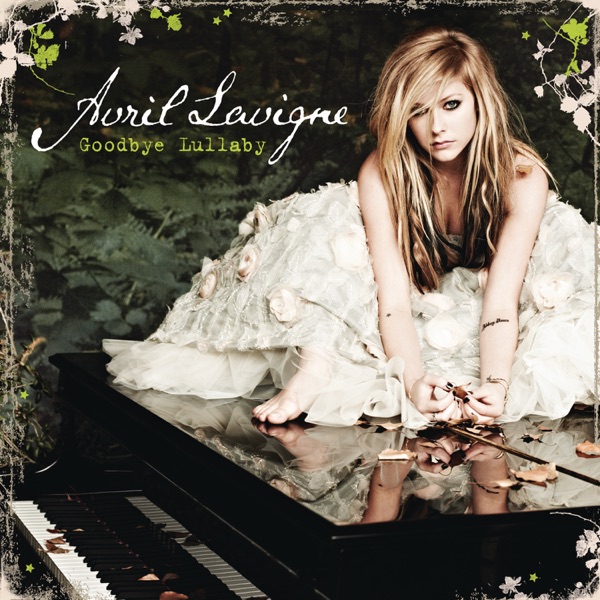
Avril Lavigne · Goodbye Lullaby (Expanded Edition)
Rebellion dressed as freedom, with no weight given to who gets hurt.
Where the words land
Signal: Strained, leaning worth weighing.
What do these signals mean?
- Edifying: Points the heart toward God, truth, hope, or love.
- Worth Weighing: Real good and real concern together. Test it before you take it in.
- Strained: Strains against Scripture: leans toward what could dull or mislead.
- At Odds: At odds with Scripture: celebrates what it warns against. Little here builds up.
Weighed against Scripture
“You can't save me, baby, baby”
“I lift up my eyes to the hills. From where does my help come? My help comes from the LORD, the Maker of heaven and earth.”
The line rejects any rescue at all, flippantly, while the Psalm points to where real help and safety actually come from.
“I'd rather rage than sit around and wait all day”
“The acts of the flesh are obvious: sexual immorality, impurity, and debauchery; idolatry and sorcery; hatred, discord, jealousy, and rage; rivalries, divisions, factions, and envy; drunkenness, orgies, and the like. I warn you, as I did before, that those who practice such things will not inherit the kingdom of God.”
The impulse to chase pleasure and avoid commitment echoes the 'works of the flesh' Paul warns drain rather than fulfill a person.
The song as a whole
“What then shall we say? Shall we continue in sin so that grace may increase? Certainly not! How can we who died to sin live in it any longer?”
The song treats past 'goodness' as something to cast off for freedom to sin, the opposite of Paul's point that grace isn't a license to keep sinning.
In short
This is a breakup-fueled anthem about throwing caution to the wind after feeling confined by being 'good.' It's catchy and fun on the surface, but underneath it treats carelessness toward someone else's feelings as liberation, with no real reckoning. There's no despair here, just a shrug toward consequences.
- Lyrical content
Casual references to making out, cheating, and sex ('messing in your bed'), plus flippant partying language; no explicit profanity or graphic content.
- Spiritual posture
Celebrates self-indulgence and carelessness toward another person's hurt, framing recklessness as freedom rather than something to wrestle with.
- Apparent intent
Written as a fun, rebellious anthem of letting loose after being 'good,' more playful venting than genuine reflection on consequences.
What do these ratings mean?
- Lyrical content, what the words say on the surface. Clean: nothing coarse, sexual or violent. Mild: a trace of it, by allusion or a rare word. Strong: profanity, sex or violence in plain words. Explicit: graphic, or sin held up to admire.
- Spiritual posture, where the song's heart points. God-honoring: toward God, truth or hope. Searching: honestly reaching or wrestling toward truth, without arriving. Neutral: spiritually indifferent; neither reaches nor rejects. Dark: despairing, nihilistic, self-exalting or hostile to God.
- Apparent intent, what the song is for. Edifying: worship, encouragement, honest lament. Cathartic: letting grief, anger or longing out, told honestly. Ambiguous: hard to say what the song is for. Harmful: celebrates evil, mocks faith or draws toward sin.
Does this song's picture of 'freedom' match what actually leaves you feeling whole afterward?
An AI-assisted reading. It can misread a lyric, a metaphor or a song’s intent.


