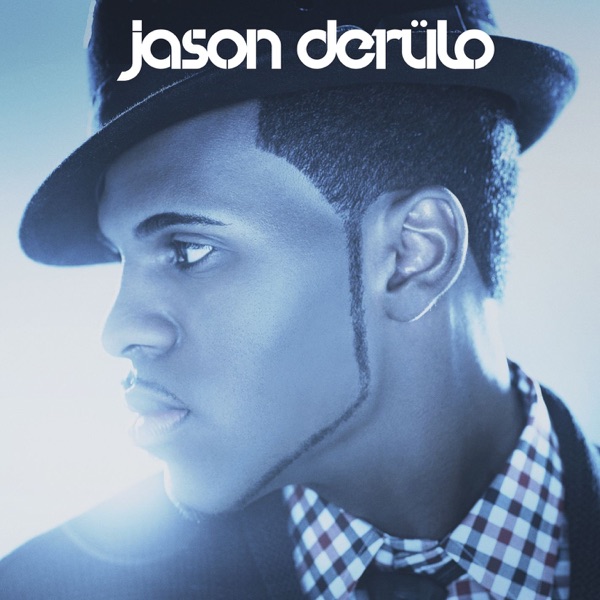
Whatcha Say
Jason Derulo · Jason Derulo
A catchy apology for infidelity that skips real repentance.
Where the words land
Signal: Strained, leaning worth weighing.
What do these signals mean?
- Edifying: Points the heart toward God, truth, hope, or love.
- Worth Weighing: Real good and real concern together. Test it before you take it in.
- Strained: Strains against Scripture: leans toward what could dull or mislead.
- At Odds: At odds with Scripture: celebrates what it warns against. Little here builds up.
Weighed against Scripture
“Girl, I was caught up in her lust”
“But each one is tempted when by his own evil desires he is lured away and enticed. Then after desire has conceived, it gives birth to sin; and sin, when it is full-grown, gives birth to death.”
Names the pull of lust as the root of the wrongdoing, echoing the way temptation can lead someone astray even when they know better.
“I was so wrong for so long”
“He who conceals his sins will not prosper, but whoever confesses and renounces them will find mercy.”
The song admits wrong but never truly confesses or forsakes it, it just asks for another chance while leaning on charm rather than real change.
“when I become a star, we'll be living so large”
“Those who want to be rich, however, fall into temptation and become ensnared by many foolish and harmful desires that plunge them into ruin and destruction. For the love of money is the root of all kinds of evil. By craving it, some have wandered away from the faith and pierced themselves with many sorrows.”
Offering future wealth and fame as the reason to stay misplaces what should restore trust, love and faithfulness, not material promise.
“Though you caught me cheatin”
Yet you ask, “Why?” It is because the LORD has been a witness between you and the wife of your youth, against whom you have broken faith, though she is your companion and your wife by covenant. Has not the LORD made them one, having a portion of the Spirit? And why one? Because He seeks godly offspring. So guard yourselves in your spirit and do not break faith with the wife of your youth. “For I hate divorce,” says the LORD, the God of Israel. “He who divorces his wife covers his garment with violence,” says the LORD of Hosts. So guard yourselves in your spirit and do not break faith.
Scripture treats marital faithfulness as a covenant to be guarded, not a mistake smoothed over with a catchy plea.
In short
This is a breezy pop apology for cheating that never quite becomes real repentance. The narrator wants another chance, but leans on promises of future fame and comfort rather than reckoning with what he broke. It's catchy and emotionally engaging, but the moral center is fuzzy: sorry, but not sorry enough to change anything concrete.
- Lyrical content
No profanity or explicit content; deals with infidelity and pleading for forgiveness in fairly tame language.
- Spiritual posture
The posture is self-focused regret rather than genuine repentance; the appeal leans on future success and promises rather than changed character.
- Apparent intent
Seems intended as a catchy pop confession of cheating, but the hook romanticizes being begged back without real accountability for the betrayal.
What do these ratings mean?
- Lyrical content, what the words say on the surface. Clean: nothing coarse, sexual or violent. Mild: a trace of it, by allusion or a rare word. Strong: profanity, sex or violence in plain words. Explicit: graphic, or sin held up to admire.
- Spiritual posture, where the song's heart points. God-honoring: toward God, truth or hope. Searching: honestly reaching or wrestling toward truth, without arriving. Neutral: spiritually indifferent; neither reaches nor rejects. Dark: despairing, nihilistic, self-exalting or hostile to God.
- Apparent intent, what the song is for. Edifying: worship, encouragement, honest lament. Cathartic: letting grief, anger or longing out, told honestly. Ambiguous: hard to say what the song is for. Harmful: celebrates evil, mocks faith or draws toward sin.
Does this song's version of 'sorry' look like the kind of repentance that actually rebuilds trust, or just the kind that avoids losing someone?
An AI-assisted reading. It can misread a lyric, a metaphor or a song’s intent.



