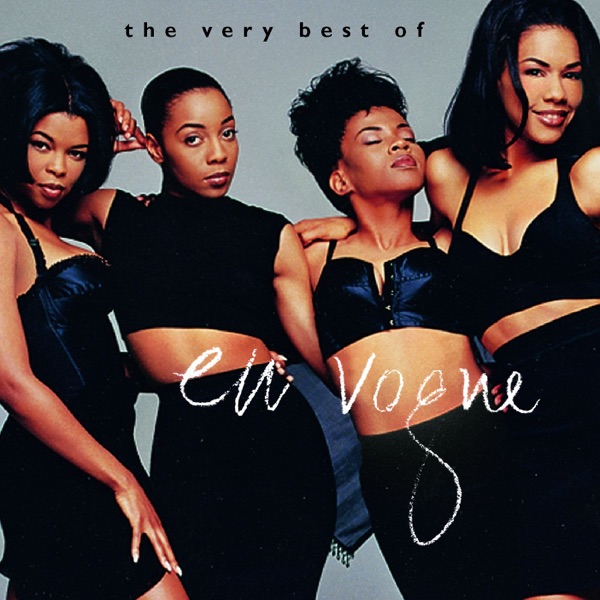
Whatta Man
En Vogue & Salt-N-Pepa · The Very Best of En Vogue
A playful celebration of faithfulness and respect in love.
Where the words land
Signal: Edifying, leaning worth weighing.
What do these signals mean?
- Edifying: Points the heart toward God, truth, hope, or love.
- Worth Weighing: Real good and real concern together. Test it before you take it in.
- Strained: Strains against Scripture: leans toward what could dull or mislead.
- At Odds: At odds with Scripture: celebrates what it warns against. Little here builds up.
Weighed against Scripture
“although, most men are hoes, he flows on the down low”
“A wife of noble character, who can find? She is far more precious than rubies.”
The praise of a rare, trustworthy partner echoes the Proverbs' celebration of someone whose worth is far above the ordinary.
“He never ran a corny line once to me yet”
“Love is patient, love is kind. It does not envy, it does not boast, it is not proud. It is not rude, it is not self-seeking, it is not easily angered, it keeps no account of wrongs.”
The description of a patient, non-manipulative, respectful man aligns with love that 'does not boast' or act unseemly.
“Spends quality time with his kids when he can”
“Fathers, do not provoke your children to wrath; instead, bring them up in the discipline and instruction of the Lord.”
Highlighting attentive fatherhood reflects the biblical value placed on a father's engaged care for his children.
“Never disrespectful 'cause his mama taught him that”
“Honor your father and mother, so that your days may be long in the land that the LORD your God is giving you.”
Honoring one's parents shapes good character, which the song credits for the man's respectful nature.
The song as a whole
“Let him kiss me with the kisses of his mouth! For your love is more delightful than wine. The fragrance of your perfume is pleasing; your name is like perfume poured out. No wonder the maidens adore you. Take me away with you— let us hurry! May the king bring me to his chambers. We will rejoice and delight in you; we will praise your love more than wine. It is only right that they adore you.”
The song's celebratory, sensual delight in a loving partner mirrors the Bible's own unembarrassed poetry of romantic and physical love within committed affection.
In short
This is a joyful anthem of gratitude for a faithful, respectful, attentive partner, celebrating qualities like honesty, humor, fatherhood, and physical affection. It leans into romantic and sexual appreciation but frames it within loyalty and mutual respect rather than conquest or objectification. There's little spiritual reflection here, but the values it lifts up (faithfulness, kindness, respect) are consonant with healthy, God-honoring relationships.
- Lyrical content
Playful, celebratory lyrics with some innuendo and mild sexual suggestion, but no explicit language or crude slurs.
- Spiritual posture
The song centers on gratitude for a good partner and romantic/sexual appreciation; it doesn't reach toward God but isn't hostile or despairing either.
- Apparent intent
A joyful celebration of a faithful, respectful man, meant to uplift and affirm healthy relationship qualities amid a genre often focused on dysfunction.
What do these ratings mean?
- Lyrical content, what the words say on the surface. Clean: nothing coarse, sexual or violent. Mild: a trace of it, by allusion or a rare word. Strong: profanity, sex or violence in plain words. Explicit: graphic, or sin held up to admire.
- Spiritual posture, where the song's heart points. God-honoring: toward God, truth or hope. Searching: honestly reaching or wrestling toward truth, without arriving. Neutral: spiritually indifferent; neither reaches nor rejects. Dark: despairing, nihilistic, self-exalting or hostile to God.
- Apparent intent, what the song is for. Edifying: worship, encouragement, honest lament. Cathartic: letting grief, anger or longing out, told honestly. Ambiguous: hard to say what the song is for. Harmful: celebrates evil, mocks faith or draws toward sin.
Does this song's picture of love point you toward the kind of faithfulness and respect Scripture calls admirable?
An AI-assisted reading. It can misread a lyric, a metaphor or a song’s intent.


