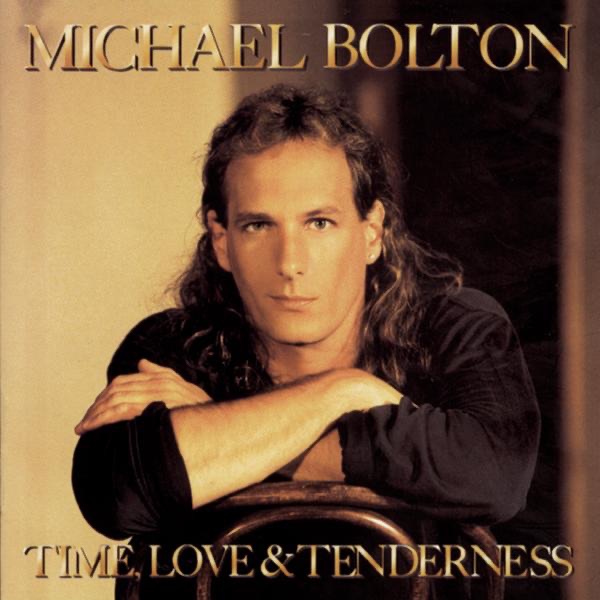
When a Man Loves a Woman
Michael Bolton · Time, Love & Tenderness
Devoted love painted without any boundary or discernment.
Where the words land
Signal: Worth Weighing.
What do these signals mean?
- Edifying: Points the heart toward God, truth, hope, or love.
- Worth Weighing: Real good and real concern together. Test it before you take it in.
- Strained: Strains against Scripture: leans toward what could dull or mislead.
- At Odds: At odds with Scripture: celebrates what it warns against. Little here builds up.
Weighed against Scripture
“Can't keep his mind on nothin' else”
“Set me as a seal over your heart, as a seal upon your arm. For love is as strong as death, its jealousy as unrelenting as Sheol. Its sparks are fiery flames, the fiercest blaze of all. Mighty waters cannot quench love; rivers cannot sweep it away. If a man were to give all the wealth of his house for love, his offer would be utterly scorned.”
The consuming, all-or-nothing intensity of romantic love described here mirrors Scripture's own acknowledgment that love is 'as strong as death' and cannot be quenched.
“If she is bad, he can't see it”
“Charm is deceptive and beauty is fleeting, but a woman who fears the LORD is to be praised.”
Proverbs warns that charm is deceptive; the song portrays blind devotion that can't discern faults, the opposite of discerning love.
“Spend his very last dime”
“Love is patient, love is kind. It does not envy, it does not boast, it is not proud. It is not rude, it is not self-seeking, it is not easily angered, it keeps no account of wrongs. Love takes no pleasure in evil, but rejoices in the truth. It bears all things, believes all things, hopes all things, endures all things.”
The willingness to give up everything for love echoes the self-giving nature Paul describes, even though here it edges toward self-abandonment rather than mutual sacrifice.
The song as a whole
“Though the lips of the forbidden woman drip honey and her speech is smoother than oil, in the end she is bitter as wormwood, sharp as a double-edged sword.”
Proverbs cautions about love that leads to bitterness and ruin when devotion outpaces wisdom; the song names this pain without the warning.
In short
This is a classic soul confession of love so total it borders on self-erasure: the singer admits he'll overlook wrongdoing, sacrifice comfort, and endure mistreatment, all for love's sake. It's emotionally honest about the blinding power of romantic devotion, but it doesn't pause to question whether that devotion is wise or healthy. The ache here is human and real, though it lacks any higher anchor beyond the relationship itself.
- Spiritual posture
The song is purely about romantic obsession, not oriented toward or against God; it's emotionally raw but spiritually indifferent.
- Apparent intent
Bolton's delivery is an earnest expression of romantic surrender and heartache, aiming to capture the all-consuming nature of love, not to instruct or glorify sin.
What do these ratings mean?
- Lyrical content, what the words say on the surface. Clean: nothing coarse, sexual or violent. Mild: a trace of it, by allusion or a rare word. Strong: profanity, sex or violence in plain words. Explicit: graphic, or sin held up to admire.
- Spiritual posture, where the song's heart points. God-honoring: toward God, truth or hope. Searching: honestly reaching or wrestling toward truth, without arriving. Neutral: spiritually indifferent; neither reaches nor rejects. Dark: despairing, nihilistic, self-exalting or hostile to God.
- Apparent intent, what the song is for. Edifying: worship, encouragement, honest lament. Cathartic: letting grief, anger or longing out, told honestly. Ambiguous: hard to say what the song is for. Harmful: celebrates evil, mocks faith or draws toward sin.
Does this song's picture of total devotion match what real, healthy love looks like, or does it romanticize losing yourself for someone else?
An AI-assisted reading. It can misread a lyric, a metaphor or a song’s intent.


