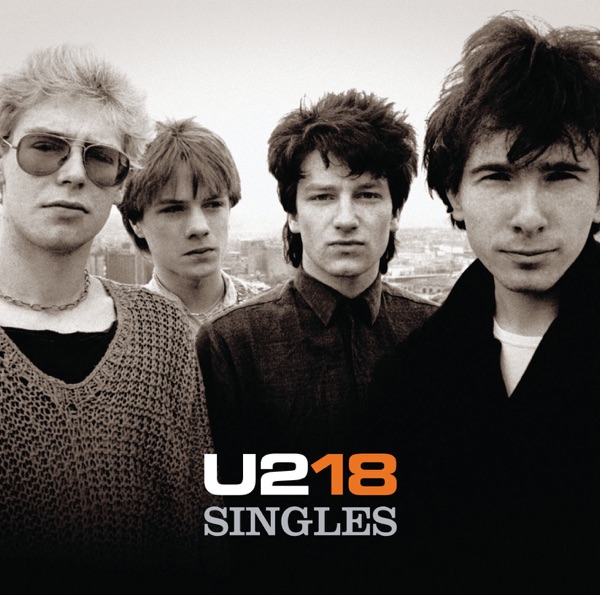
Where the Streets Have No Name (New Edit U218)
U2 · U218 Singles (Deluxe Edition)
A restless longing for freedom and transcendence amid love's fragility.
Where the words land
Signal: Edifying, leaning worth weighing.
What do these signals mean?
- Edifying: Points the heart toward God, truth, hope, or love.
- Worth Weighing: Real good and real concern together. Test it before you take it in.
- Strained: Strains against Scripture: leans toward what could dull or mislead.
- At Odds: At odds with Scripture: celebrates what it warns against. Little here builds up.
Weighed against Scripture
“take shelter from the poison rain”
He who dwells in the shelter of the Most High will abide in the shadow of the Almighty. I will say to the LORD, “You are my refuge and my fortress, my God, in whom I trust.”
The cry for shelter from harm reflects the ancient plea for refuge under God's protection.
“our love turns to rust, we're beaten and blown by the wind”
“I have seen all the things that are done under the sun, and have found them all to be futile, a pursuit of the wind.”
The weariness of love decaying and being scattered like dust echoes the Preacher's lament over the fleeting, vapor-like nature of human striving.
The song as a whole
“It is for freedom that Christ has set us free. Stand firm, then, and do not be encumbered once more by a yoke of slavery.”
The longing to be free from what confines echoes the freedom Christ offers from bondage of every kind.
“One thing I have asked of the LORD; this is what I desire: to dwell in the house of the LORD all the days of my life, to gaze on the beauty of the LORD and seek Him in His temple.”
The desire to dwell in a place of beauty and presence mirrors the psalmist's longing to behold the Lord's dwelling.
“Love is patient, love is kind. It does not envy, it does not boast, it is not proud. It is not rude, it is not self-seeking, it is not easily angered, it keeps no account of wrongs. Love takes no pleasure in evil, but rejoices in the truth. It bears all things, believes all things, hopes all things, endures all things.”
The song's image of love being built and then destroyed stands against the steadfast, enduring love Paul describes.
In short
This song is a cry to escape the things that divide and wear people down, reaching toward a place where identity isn't defined by status or circumstance. It doesn't name God outright, but its yearning for a higher, freer place and its honesty about love's fragility carry real spiritual weight. The tension between building and burning love captures something true about human relationships without resolving it neatly.
- Spiritual posture
A restless yearning to escape confinement and division and reach a place of freedom and renewal, expressed as longing rather than arrival.
What do these ratings mean?
- Lyrical content, what the words say on the surface. Clean: nothing coarse, sexual or violent. Mild: a trace of it, by allusion or a rare word. Strong: profanity, sex or violence in plain words. Explicit: graphic, or sin held up to admire.
- Spiritual posture, where the song's heart points. God-honoring: toward God, truth or hope. Searching: honestly reaching or wrestling toward truth, without arriving. Neutral: spiritually indifferent; neither reaches nor rejects. Dark: despairing, nihilistic, self-exalting or hostile to God.
- Apparent intent, what the song is for. Edifying: worship, encouragement, honest lament. Cathartic: letting grief, anger or longing out, told honestly. Ambiguous: hard to say what the song is for. Harmful: celebrates evil, mocks faith or draws toward sin.
What walls or divisions are you longing to tear down, and where do you look for the place beyond them?
An AI-assisted reading. It can misread a lyric, a metaphor or a song’s intent.


