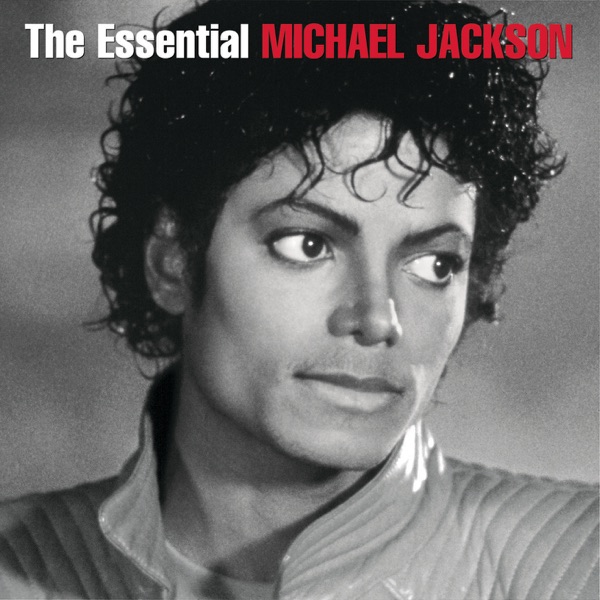
Will You Be There (Single Version)
Michael Jackson · The Essential Michael Jackson
A weary plea for love and rescue, dressed in borrowed sacred imagery.
Where the words land
Signal: Edifying, leaning worth weighing.
What do these signals mean?
- Edifying: Points the heart toward God, truth, hope, or love.
- Worth Weighing: Real good and real concern together. Test it before you take it in.
- Strained: Strains against Scripture: leans toward what could dull or mislead.
- At Odds: At odds with Scripture: celebrates what it warns against. Little here builds up.
Weighed against Scripture
“I'm only human”
“As a father has compassion on his children, so the LORD has compassion on those who fear Him. For He knows our frame; He is mindful that we are dust.”
The refrain admitting frailty echoes the psalmist's recognition that God remembers our limits with compassion rather than contempt.
The song as a whole
“The priests carrying the ark of the covenant of the LORD stood firm on dry ground in the middle of the Jordan, while all Israel crossed over the dry ground, until the entire nation had crossed the Jordan.”
Invoking the Jordan recalls a place of crossing from fear into deliverance, matching the singer's longing to be carried through hardship.
“What man among you, if he has a hundred sheep and loses one of them, does not leave the ninety-nine in the pasture and go after the one that is lost, until he finds it? And when he finds it, he joyfully puts it on his shoulders, comes home, and calls together his friends and neighbors to tell them, ‘Rejoice with me, for I have found my lost sheep!’
The plea to be found when lost mirrors the shepherd who searches for the one who has wandered, a picture of being pursued rather than abandoned.
“Be merciful to me, O LORD, for I am frail; heal me, O LORD, for my bones are in agony. My soul is deeply distressed. How long, O LORD, how long? Turn, O LORD, and deliver my soul; save me because of Your loving devotion.”
The cry for healing and saving parallels the psalmist's direct appeal to God in distress, naming weakness honestly rather than hiding it.
“Come to Me, all you who are weary and burdened, and I will give you rest.”
The song's whole posture of weariness seeking rest and carrying echoes Jesus' invitation to the weary and burdened, even without naming him directly.
Words of Christ are set in red.
In short
This is a vulnerable cry from someone overwhelmed by expectation and loneliness, reaching out for someone, anyone, to hold, carry, and understand them. It never names God outright, but its imagery (the Jordan, being found, being carried) borrows from deeply spiritual language of rescue and companionship. The ache is real and unresolved, which is part of its honesty.
- Spiritual posture
The singer reaches outward for comfort, faithfulness, and rescue, invoking the River Jordan and crying out from weariness and confusion rather than resolving it neatly.
- Apparent intent
Written as a raw, personal plea for support under pressure; it functions as an outpouring of vulnerability rather than a tidy statement of praise.
What do these ratings mean?
- Lyrical content, what the words say on the surface. Clean: nothing coarse, sexual or violent. Mild: a trace of it, by allusion or a rare word. Strong: profanity, sex or violence in plain words. Explicit: graphic, or sin held up to admire.
- Spiritual posture, where the song's heart points. God-honoring: toward God, truth or hope. Searching: honestly reaching or wrestling toward truth, without arriving. Neutral: spiritually indifferent; neither reaches nor rejects. Dark: despairing, nihilistic, self-exalting or hostile to God.
- Apparent intent, what the song is for. Edifying: worship, encouragement, honest lament. Cathartic: letting grief, anger or longing out, told honestly. Ambiguous: hard to say what the song is for. Harmful: celebrates evil, mocks faith or draws toward sin.
Who or what do you turn to when you feel like you need someone to simply hold you up?
An AI-assisted reading. It can misread a lyric, a metaphor or a song’s intent.


