Wind of Change
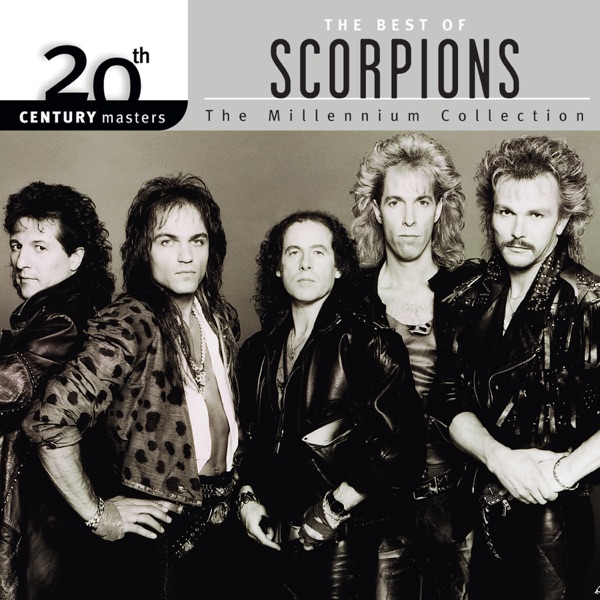
Scorpions · 20th Century Masters - The Millennium Collection: The Best of Scorpions
A sincere, hopeful anthem for peace and unity, even without naming its source.
Where the words land
Signal: Edifying.
What do these signals mean?
- Edifying: Points the heart toward God, truth, hope, or love.
- Worth Weighing: Real good and real concern together. Test it before you take it in.
- Strained: Strains against Scripture: leans toward what could dull or mislead.
- At Odds: At odds with Scripture: celebrates what it warns against. Little here builds up.
Weighed against Scripture
“That we could be so close like brothers?”
“Behold, how good and pleasant it is when brothers live together in harmony!”
The song's wonder at former enemies becoming brothers echoes the psalmist's praise of unity among people.
“ring the freedom bell for peace of mind”
“Then He will judge between the nations and arbitrate for many peoples. They will beat their swords into plowshares and their spears into pruning hooks. Nation will no longer take up the sword against nation, nor train anymore for war.”
The vision of nations turning from conflict toward peace recalls the prophetic hope of swords beaten into plowshares.
The song as a whole
“For I know the plans I have for you, declares the LORD, plans to prosper you and not to harm you, to give you a future and a hope.”
The hopeful anticipation of a better future parallels the promise of hope and a future, though the song locates that hope in history rather than in God.
When the LORD restored the captives of Zion, we were like dreamers. Then our mouths were filled with laughter, our tongues with shouts of joy. Then it was said among the nations, “The LORD has done great things for them.” The LORD has done great things for us; we are filled with joy.
The song's wonder at a sudden historical turn toward freedom mirrors the psalm's awe at unexpected restoration, though without crediting God.
In short
This is a hopeful anthem written around the fall of the Cold War, picturing ordinary people and former adversaries dreaming of peace together. It doesn't reach for God explicitly, but its longing for unity, freedom, and a better future for the next generation echoes themes Scripture treats with real weight. The hope here is placed in historical change and human goodwill rather than in God, but the yearning itself is sincere and good.
- Spiritual posture
Reaches toward hope and unity across division, longing for peace and a better future without naming God as the source.
What do these ratings mean?
- Lyrical content, what the words say on the surface. Clean: nothing coarse, sexual or violent. Mild: a trace of it, by allusion or a rare word. Strong: profanity, sex or violence in plain words. Explicit: graphic, or sin held up to admire.
- Spiritual posture, where the song's heart points. God-honoring: toward God, truth or hope. Searching: honestly reaching or wrestling toward truth, without arriving. Neutral: spiritually indifferent; neither reaches nor rejects. Dark: despairing, nihilistic, self-exalting or hostile to God.
- Apparent intent, what the song is for. Edifying: worship, encouragement, honest lament. Cathartic: letting grief, anger or longing out, told honestly. Ambiguous: hard to say what the song is for. Harmful: celebrates evil, mocks faith or draws toward sin.
Where do you place your hope when you long for peace, in history and human progress, or in something greater?
An AI-assisted reading. It can misread a lyric, a metaphor or a song’s intent.