Yesterday
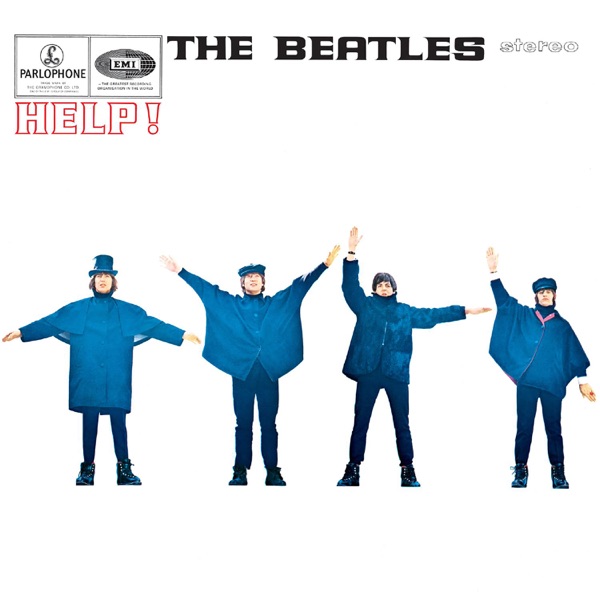
The Beatles · Help!
A tender, honest ache over lost love, nothing more, nothing less
Where the words land
Signal: Edifying, leaning worth weighing.
What do these signals mean?
- Edifying: Points the heart toward God, truth, hope, or love.
- Worth Weighing: Real good and real concern together. Test it before you take it in.
- Strained: Strains against Scripture: leans toward what could dull or mislead.
- At Odds: At odds with Scripture: celebrates what it warns against. Little here builds up.
Weighed against Scripture
“Now it looks as though they're here to stay”
“Why are you downcast, O my soul? Why the unease within me? Put your hope in God, for I will yet praise Him for the salvation of His presence.”
The soul's downcast questioning here mirrors the song's heaviness, both naming sorrow honestly rather than pretending it away.
“I'm not half the man I used to be”
“Remember my affliction and wandering, the wormwood and the gall. Surely my soul remembers and is humbled within me.”
The singer's sense of diminishment and lingering shadow matches this honest lament over affliction remembered.
“I said something wrong”
“Life and death are in the power of the tongue, and those who love it will eat its fruit.”
His self-blame over words that may have driven love away touches this proverb's weight on the power of speech.
The song as a whole
“To everything there is a season, and a time for every purpose under heaven: a time to be born and a time to die, a time to plant and a time to uproot, a time to kill and a time to heal, a time to break down and a time to build, a time to weep and a time to laugh, a time to mourn and a time to dance,”
The song's whole posture, longing for a season that has passed, reflects this meditation on time, loss, and the ache for what once was.
In short
This is a gentle, universal song about heartbreak and the ache of looking backward. There's no villain here, just a man quietly grieving a love he doesn't fully understand losing, wondering what he did wrong. It doesn't offer resolution, but it doesn't wallow in despair either, it simply sits with sadness honestly.
- Spiritual posture
A quiet ache over loss and regret, reaching backward for a peace that's slipped away, without despair but without resolution either.
- Apparent intent
A tender, honest expression of heartbreak and self-doubt, meant to give voice to ordinary grief rather than glamorize it.
What do these ratings mean?
- Lyrical content, what the words say on the surface. Clean: nothing coarse, sexual or violent. Mild: a trace of it, by allusion or a rare word. Strong: profanity, sex or violence in plain words. Explicit: graphic, or sin held up to admire.
- Spiritual posture, where the song's heart points. God-honoring: toward God, truth or hope. Searching: honestly reaching or wrestling toward truth, without arriving. Neutral: spiritually indifferent; neither reaches nor rejects. Dark: despairing, nihilistic, self-exalting or hostile to God.
- Apparent intent, what the song is for. Edifying: worship, encouragement, honest lament. Cathartic: letting grief, anger or longing out, told honestly. Ambiguous: hard to say what the song is for. Harmful: celebrates evil, mocks faith or draws toward sin.
Does sitting with this quiet sadness help you process your own losses, or does it keep you circling a past you need to release?
An AI-assisted reading. It can misread a lyric, a metaphor or a song’s intent.


