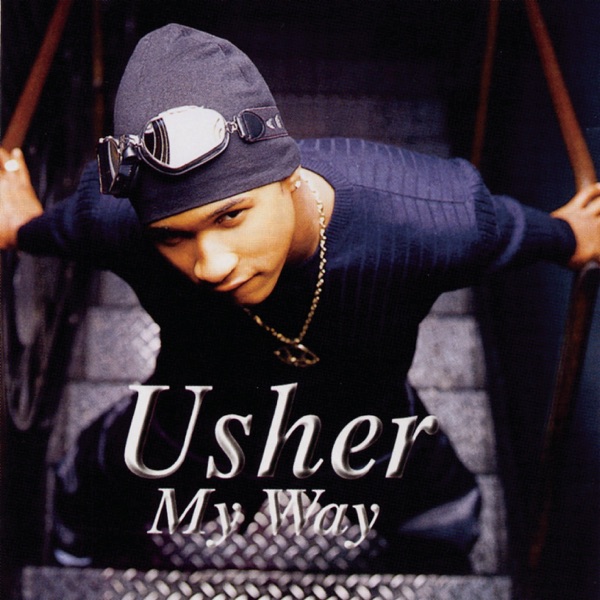
You Make Me Wanna...
USHER · My Way
Infidelity reframed as irresistible passion rather than a choice to resist.
Where the words land
Signal: Strained, leaning worth weighing.
What do these signals mean?
- Edifying: Points the heart toward God, truth, hope, or love.
- Worth Weighing: Real good and real concern together. Test it before you take it in.
- Strained: Strains against Scripture: leans toward what could dull or mislead.
- At Odds: At odds with Scripture: celebrates what it warns against. Little here builds up.
Weighed against Scripture
“You make me wanna leave the one I'm with”
“No temptation has seized you except what is common to man. And God is faithful; He will not let you be tempted beyond what you can bear. But when you are tempted, He will also provide an escape, so that you can stand up under it.”
The song presents temptation as unstoppable, but Scripture insists a way out always exists, even when feelings run strong.
“I never meant to hurt her, but I gotta let her go”
Yet you ask, “Why?” It is because the LORD has been a witness between you and the wife of your youth, against whom you have broken faith, though she is your companion and your wife by covenant. Has not the LORD made them one, having a portion of the Spirit? And why one? Because He seeks godly offspring. So guard yourselves in your spirit and do not break faith with the wife of your youth. “For I hate divorce,” says the LORD, the God of Israel. “He who divorces his wife covers his garment with violence,” says the LORD of Hosts. So guard yourselves in your spirit and do not break faith.
God calls for faithfulness and against treacherous abandonment of a committed partner, while the song treats the breakup as an inevitable casualty of attraction.
The song as a whole
“But each one is tempted when by his own evil desires he is lured away and enticed. Then after desire has conceived, it gives birth to sin; and sin, when it is full-grown, gives birth to death.”
James traces how desire, when nursed rather than resisted, grows into sin; the song romanticizes exactly that unfolding instead of naming it as danger.
“Guard your heart with all diligence, for from it flow springs of life.”
The song never guards the heart against wandering desire; it simply follows wherever feeling leads, which Proverbs warns is the wellspring of all that follows.
In short
This is a song about being pulled toward infidelity and surrendering to it without real resistance. The narrator knows he's betraying someone who loves him, but frames the pull as too strong to fight, turning temptation into romance. There's no reckoning with the hurt caused, just the drama of being swept away.
- Lyrical content
No profanity or explicit content, but the lyrics dwell on infidelity and emotional betrayal in detail.
- Spiritual posture
The narrator knows the right path (stay faithful) but repeatedly surrenders to temptation, framing the pull toward betrayal as irresistible rather than something to resist.
- Apparent intent
Likely meant as relatable romantic drama and catharsis, but it never questions the morality of the choice, it just narrates being swept along by desire.
What do these ratings mean?
- Lyrical content, what the words say on the surface. Clean: nothing coarse, sexual or violent. Mild: a trace of it, by allusion or a rare word. Strong: profanity, sex or violence in plain words. Explicit: graphic, or sin held up to admire.
- Spiritual posture, where the song's heart points. God-honoring: toward God, truth or hope. Searching: honestly reaching or wrestling toward truth, without arriving. Neutral: spiritually indifferent; neither reaches nor rejects. Dark: despairing, nihilistic, self-exalting or hostile to God.
- Apparent intent, what the song is for. Edifying: worship, encouragement, honest lament. Cathartic: letting grief, anger or longing out, told honestly. Ambiguous: hard to say what the song is for. Harmful: celebrates evil, mocks faith or draws toward sin.
Does this song's portrayal of temptation as unstoppable match how you actually want to think about faithfulness and desire?
An AI-assisted reading. It can misread a lyric, a metaphor or a song’s intent.


