Young
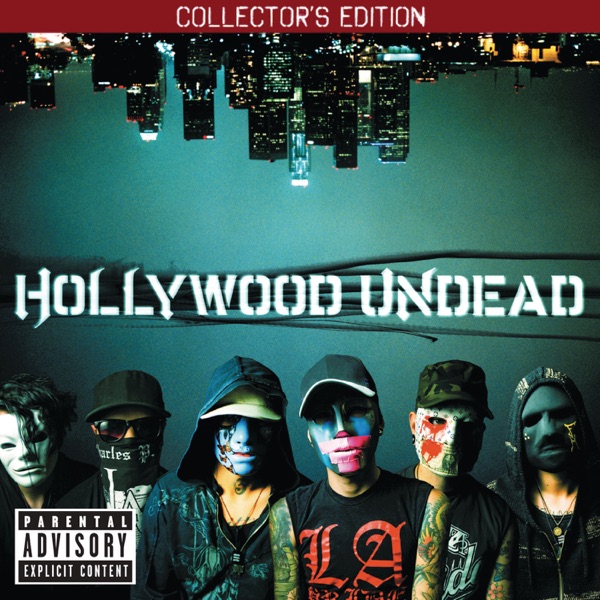
Hollywood Undead · Swan Songs (Collector's Edition)
Honest lament for a disillusioned generation, still reaching for rescue
Where the words land
Signal: Worth Weighing, leaning edifying.
What do these signals mean?
- Edifying: Points the heart toward God, truth, hope, or love.
- Worth Weighing: Real good and real concern together. Test it before you take it in.
- Strained: Strains against Scripture: leans toward what could dull or mislead.
- At Odds: At odds with Scripture: celebrates what it warns against. Little here builds up.
Weighed against Scripture
“Medication for the kids with no reason to live”
“For my soul is full of troubles, and my life draws near to Sheol. I am counted among those descending to the Pit. I am like a man without strength.”
This is raw lament territory, naming hopelessness without flinching, much like the psalmist's unresolved darkness.
“Made to kneel before the altar as you tear us apart”
“Woe to those who enact unjust statutes and issue oppressive decrees, to deprive the poor of fair treatment and withhold justice from the oppressed of My people, to make widows their prey and orphans their plunder.”
The accusation of being exploited and broken by those in power echoes Isaiah's rebuke of unjust decrees that crush the vulnerable; here it's framed as betrayal, not worship.
The song as a whole
“But You have regarded trouble and grief; You see to repay it by Your hand. The victim entrusts himself to You; You are the helper of the fatherless.”
The song's grief over suffering children mirrors the psalmist's cry that God sees the afflicted and the fatherless, even when the world looks past them.
“The LORD is near to the brokenhearted; He saves the contrite in spirit.”
The hope for rescue amid brokenness reflects the promise that God is near to the crushed in spirit, even if the song doesn't name Him directly.
In short
This is a generational lament dressed in anthemic rock, naming disillusionment, betrayal, and numbness among young people who still cling to a flicker of hope. It doesn't resolve into despair; the recurring plea for angels to 'save us all' keeps reaching outward rather than giving up. The darkness here is honest, not glorified.
- Lyrical content
No profanity in these lyrics; imagery of hatred, numbness, and medicated kids with 'no reason to live,' but nothing explicit.
- Spiritual posture
The song names despair and betrayal honestly but keeps reaching toward hope, home, and rescue ('till the angels save us all') rather than settling into nihilism.
- Apparent intent
Reads as a generational lament, giving voice to disillusioned youth while still clinging to resilience and a longing to be saved.
What do these ratings mean?
- Lyrical content, what the words say on the surface. Clean: nothing coarse, sexual or violent. Mild: a trace of it, by allusion or a rare word. Strong: profanity, sex or violence in plain words. Explicit: graphic, or sin held up to admire.
- Spiritual posture, where the song's heart points. God-honoring: toward God, truth or hope. Searching: honestly reaching or wrestling toward truth, without arriving. Neutral: spiritually indifferent; neither reaches nor rejects. Dark: despairing, nihilistic, self-exalting or hostile to God.
- Apparent intent, what the song is for. Edifying: worship, encouragement, honest lament. Cathartic: letting grief, anger or longing out, told honestly. Ambiguous: hard to say what the song is for. Harmful: celebrates evil, mocks faith or draws toward sin.
Does this song's cry for rescue stir you toward hope, or does it leave you sitting too long in the numbness it describes?
An AI-assisted reading. It can misread a lyric, a metaphor or a song’s intent.


