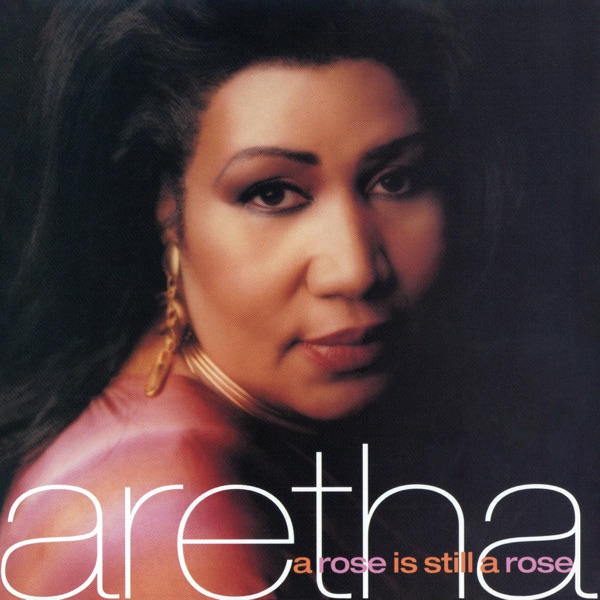
A Rose Is Still a Rose
Aretha Franklin · A Rose Is Still a Rose
A tender anthem of worth reclaimed after betrayal.
Where the words land
Signal: Edifying.
What do these signals mean?
- Edifying: Points the heart toward God, truth, hope, or love.
- Worth Weighing: Real good and real concern together. Test it before you take it in.
- Strained: Strains against Scripture: leans toward what could dull or mislead.
- At Odds: At odds with Scripture: celebrates what it warns against. Little here builds up.
Weighed against Scripture
“Then you came with your stickey game”
“Do not lust in your heart for her beauty or let her captivate you with her eyes. For the levy of the prostitute is poverty, and the adulteress preys upon your very life.”
Warns against the deceptive pursuit that exploits youth and innocence, matching the song's depiction of manipulation.
“Now the rose is scorned”
“to console the mourners in Zion — to give them a crown of beauty for ashes, the oil of joy for mourning, and a garment of praise for a spirit of despair. So they will be called oaks of righteousness, the planting of the LORD, that He may be glorified.”
Speaks of beauty given for ashes, a reversal of shame into dignity, which is the hope the song reaches for even without naming God.
“Cause a rose is still a rose”
“I praise You, for I am fearfully and wonderfully made. Marvelous are Your works, and I know this very well.”
Affirms inherent, unchanging worth as part of how a person is made, echoing the song's refrain that her value hasn't been destroyed.
The song as a whole
“The LORD is near to the brokenhearted; He saves the contrite in spirit.”
Speaks to the brokenhearted person unseen in her pain, which this line captures poignantly.
In short
This is a song of consolation after betrayal, Aretha stepping into an almost maternal role to remind a young woman that being used and discarded doesn't erase her worth. The imagery of the rose keeping its identity despite thorns and scorn carries real emotional and even spiritual truth about dignity surviving mistreatment. It doesn't reach for God explicitly, but its direction is toward restoration and self-respect rather than despair or revenge.
- Spiritual posture
A message of dignity and worth after betrayal, reaching toward restored self-respect even though it doesn't name God directly.
What do these ratings mean?
- Lyrical content, what the words say on the surface. Clean: nothing coarse, sexual or violent. Mild: a trace of it, by allusion or a rare word. Strong: profanity, sex or violence in plain words. Explicit: graphic, or sin held up to admire.
- Spiritual posture, where the song's heart points. God-honoring: toward God, truth or hope. Searching: honestly reaching or wrestling toward truth, without arriving. Neutral: spiritually indifferent; neither reaches nor rejects. Dark: despairing, nihilistic, self-exalting or hostile to God.
- Apparent intent, what the song is for. Edifying: worship, encouragement, honest lament. Cathartic: letting grief, anger or longing out, told honestly. Ambiguous: hard to say what the song is for. Harmful: celebrates evil, mocks faith or draws toward sin.
Where do you locate your own sense of worth when someone has tried to diminish it?
An AI-assisted reading. It can misread a lyric, a metaphor or a song’s intent.