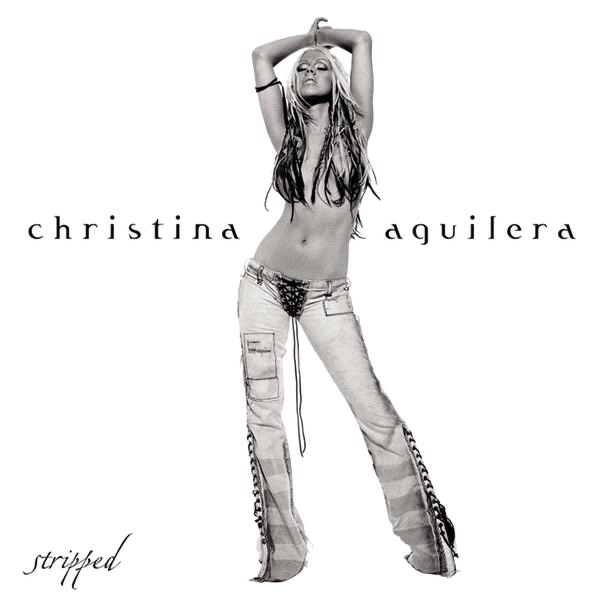
Beautiful
Christina Aguilera · Stripped
An anthem of resilience that names real pain and reaches for self-worth.
Where the words land
Signal: Edifying, leaning worth weighing.
What do these signals mean?
- Edifying: Points the heart toward God, truth, hope, or love.
- Worth Weighing: Real good and real concern together. Test it before you take it in.
- Strained: Strains against Scripture: leans toward what could dull or mislead.
- At Odds: At odds with Scripture: celebrates what it warns against. Little here builds up.
Weighed against Scripture
“I am beautiful no matter what they say”
But the LORD said to Samuel, “Do not consider his appearance or height, for I have rejected him; the LORD does not see as man does. For man sees the outward appearance, but the LORD sees the heart.”
The resistance to being defined by others' words echoes the truth that worth isn't ultimately settled by outward judgment or opinion.
“Trying hard to fill the emptiness”
“Futility of futilities,” says the Teacher, “futility of futilities! Everything is futile!”
Names the same ache of emptiness Ecclesiastes voices, the restless search for something to fill what feels hollow.
“The sun will always shine”
“Because of the loving devotion of the LORD we are not consumed, for His mercies never fail. They are new every morning; great is Your faithfulness!”
The hope that light persists despite hardship echoes this picture of mercies renewed every morning, though the song roots this hope in self rather than God.
The song as a whole
“The LORD is near to the brokenhearted; He saves the contrite in spirit.”
The song names real pain and shame honestly, the same posture of brokenness this psalm says God draws near to rather than despises.
“For You formed my inmost being; You knit me together in my mother’s womb. I praise You, for I am fearfully and wonderfully made. Marvelous are Your works, and I know this very well.”
The song locates beauty and worth in defying others' words rather than in being fearfully and wonderfully made by a Creator; the affirmation is true but incomplete without that source.
In short
This is a self-esteem anthem built for listeners who've been shamed or torn down, and it doesn't pretend the pain isn't real before it insists on worth anyway. It stops short of naming where that worth ultimately comes from, resting the affirmation on self-assertion rather than being known and loved by God. Still, its instinct, to meet shame with truth instead of despair, points in a good direction.
- Spiritual posture
Names real insecurity, shame, and emptiness, then reaches toward self-worth and hope rather than wallowing; it doesn't name God but it reaches upward, not inward in despair.
What do these ratings mean?
- Lyrical content, what the words say on the surface. Clean: nothing coarse, sexual or violent. Mild: a trace of it, by allusion or a rare word. Strong: profanity, sex or violence in plain words. Explicit: graphic, or sin held up to admire.
- Spiritual posture, where the song's heart points. God-honoring: toward God, truth or hope. Searching: honestly reaching or wrestling toward truth, without arriving. Neutral: spiritually indifferent; neither reaches nor rejects. Dark: despairing, nihilistic, self-exalting or hostile to God.
- Apparent intent, what the song is for. Edifying: worship, encouragement, honest lament. Cathartic: letting grief, anger or longing out, told honestly. Ambiguous: hard to say what the song is for. Harmful: celebrates evil, mocks faith or draws toward sin.
Where does your sense of being beautiful ultimately rest, in your own defiance, or in being known and loved by someone outside yourself?
An AI-assisted reading. It can misread a lyric, a metaphor or a song’s intent.


