All I Wanna Do Is Make Love to You
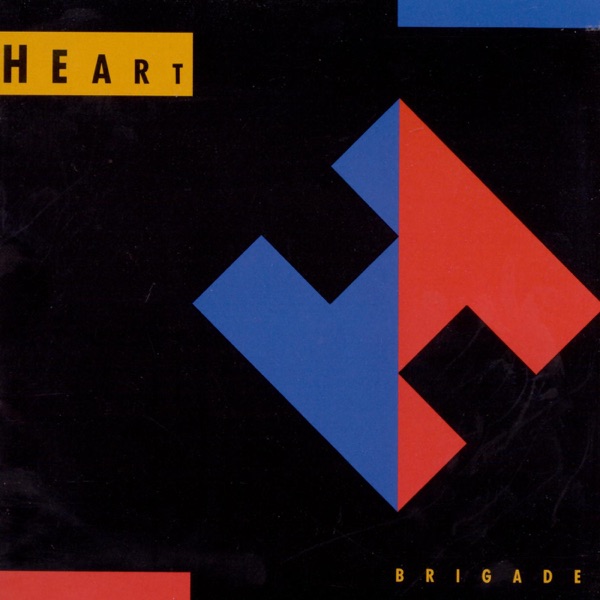
Heart · Brigade
A romanticized one-night story that never looks past the fantasy.
Where the words land
Signal: Strained.
What do these signals mean?
- Edifying: Points the heart toward God, truth, hope, or love.
- Worth Weighing: Real good and real concern together. Test it before you take it in.
- Strained: Strains against Scripture: leans toward what could dull or mislead.
- At Odds: At odds with Scripture: celebrates what it warns against. Little here builds up.
Weighed against Scripture
“All I wanna do is make love to you”
“Flee from sexual immorality. Every other sin a man can commit is outside his body, but he who sins sexually sins against his own body.”
The song centers desire detached from commitment or knowing the person at all, which Scripture treats as something to flee rather than romanticize.
“I didn't ask him his name”
“Though the lips of the forbidden woman drip honey and her speech is smoother than oil, in the end she is bitter as wormwood, sharp as a double-edged sword. Her feet go down to death; her steps lead straight to Sheol.”
The nameless stranger and quick seduction echo the warning against beauty and pleasure that leads somewhere unexamined and costly.
“When he saw his own eyes”
“Do not be deceived: God is not to be mocked. Whatever a man sows, he will reap in return.”
The reveal of a child from the encounter, met with secrecy rather than honesty, illustrates consequences following choices rather than vanishing with a one night memory.
“Don't try to find me, please don't you dare”
“Therefore each of you must put off falsehood and speak truthfully to his neighbor, for we are all members of one another.”
The deliberate concealment of the truth from the man stands against the call to speak truthfully with one another.
In short
This is a glossy, dramatic tale of anonymous desire, a stranger picked up in the rain, a night of passion, and a secret kept even after a child results. It doesn't moralize or condemn, it simply lingers in the fantasy and the mystery, treating the encounter as romantic rather than examining its costs. There's craft and drama here, but little reflection on what the choices actually mean for the people involved.
- Lyrical content
No profanity, but the song is built entirely around a one-night sexual encounter with a stranger, told with euphemism rather than crude language.
- Spiritual posture
The song doesn't reach toward God or away from Him in any explicit sense; it's preoccupied with desire, deception, and self-interest rather than transcendence.
- Apparent intent
Framed as a dramatic storytelling ballad about longing and secrecy rather than a moral lesson; it romanticizes the encounter and the deception that follows without clear judgment either way.
What do these ratings mean?
- Lyrical content, what the words say on the surface. Clean: nothing coarse, sexual or violent. Mild: a trace of it, by allusion or a rare word. Strong: profanity, sex or violence in plain words. Explicit: graphic, or sin held up to admire.
- Spiritual posture, where the song's heart points. God-honoring: toward God, truth or hope. Searching: honestly reaching or wrestling toward truth, without arriving. Neutral: spiritually indifferent; neither reaches nor rejects. Dark: despairing, nihilistic, self-exalting or hostile to God.
- Apparent intent, what the song is for. Edifying: worship, encouragement, honest lament. Cathartic: letting grief, anger or longing out, told honestly. Ambiguous: hard to say what the song is for. Harmful: celebrates evil, mocks faith or draws toward sin.
Does this song's portrayal of anonymous desire as romantic sit easily with how you want to think about intimacy and honesty?
An AI-assisted reading. It can misread a lyric, a metaphor or a song’s intent.


