Angel
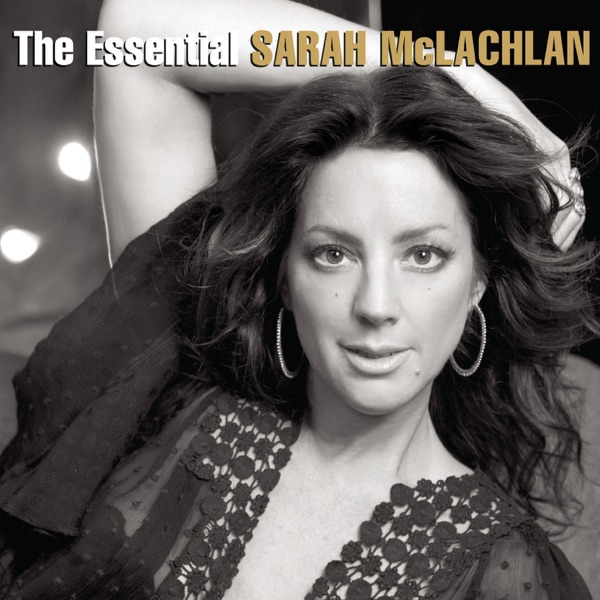
Sarah McLachlan · The Essential Sarah McLachlan
A tender elegy for the exhausted that reaches for rescue without naming it.
Where the words land
Signal: Worth Weighing, leaning edifying.
What do these signals mean?
- Edifying: Points the heart toward God, truth, hope, or love.
- Worth Weighing: Real good and real concern together. Test it before you take it in.
- Strained: Strains against Scripture: leans toward what could dull or mislead.
- At Odds: At odds with Scripture: celebrates what it warns against. Little here builds up.
Weighed against Scripture
“Let me be empty / Oh, and weightless”
“Come to Me, all you who are weary and burdened, and I will give you rest.”
The longing to be unburdened mirrors Jesus's own invitation to the weary, though the song doesn't name who offers the rest.
“From this dark, cold hotel room”
“Even though I walk through the valley of the shadow of death, I will fear no evil, for You are with me; Your rod and Your staff, they comfort me.”
The valley of shadow is named plainly here too, but the Psalm answers it with a presence walking through, not just an escape from it.
The song as a whole
“The LORD is near to the brokenhearted; He saves the contrite in spirit.”
The ache of not being enough meets the promise that God draws near precisely to the brokenhearted and crushed in spirit.
“He lifted me up from the pit of despair, out of the miry clay; He set my feet upon a rock, and made my footsteps firm.”
The image of being lifted out of the pit and set on solid ground is almost exactly the rescue this lyric is reaching for.
“In the same way, the Spirit helps us in our weakness. For we do not know how we ought to pray, but the Spirit Himself intercedes for us with groans too deep for words.”
The song looks for comfort in release and escape, where Scripture points to the Spirit interceding in the midst of weakness rather than apart from it.
Words of Christ are set in red.
In short
This is a song written for someone worn down to nothing, reaching for any comfort that will hold them. It never resolves into hope exactly, but it doesn't glamorize the darkness either, it just sits inside it tenderly, like someone keeping watch. The 'angel' here is left undefined, a stand-in for whatever mercy might come.
- Spiritual posture
The song reaches past itself for comfort and rescue, even naming it 'angel,' though it never names where that comfort ultimately comes from.
- Apparent intent
Written as an elegy for people lost to addiction and despair; McLachlan's intent is tender witness and comfort, not glamorization.
What do these ratings mean?
- Lyrical content, what the words say on the surface. Clean: nothing coarse, sexual or violent. Mild: a trace of it, by allusion or a rare word. Strong: profanity, sex or violence in plain words. Explicit: graphic, or sin held up to admire.
- Spiritual posture, where the song's heart points. God-honoring: toward God, truth or hope. Searching: honestly reaching or wrestling toward truth, without arriving. Neutral: spiritually indifferent; neither reaches nor rejects. Dark: despairing, nihilistic, self-exalting or hostile to God.
- Apparent intent, what the song is for. Edifying: worship, encouragement, honest lament. Cathartic: letting grief, anger or longing out, told honestly. Ambiguous: hard to say what the song is for. Harmful: celebrates evil, mocks faith or draws toward sin.
Where do you turn when you want to disappear from your own exhaustion, and does that place actually hold you?
An AI-assisted reading. It can misread a lyric, a metaphor or a song’s intent.


