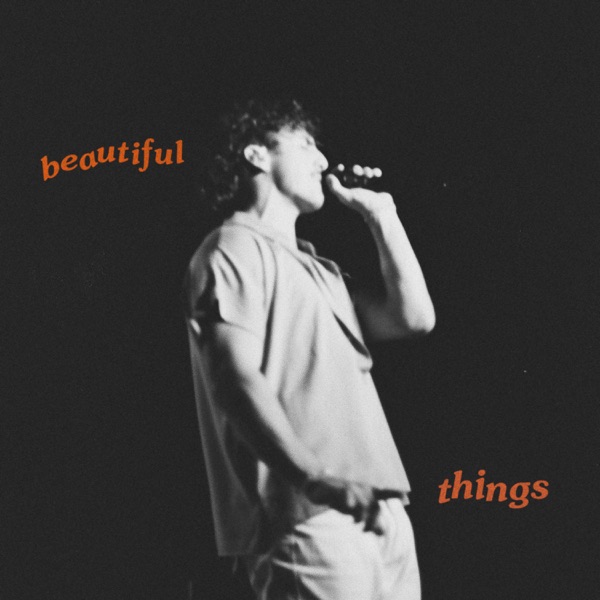
Beautiful Things
Benson Boone · Beautiful Things - Single
Grateful but gripped by fear of losing what he loves
Where the words land
Signal: Worth Weighing, leaning edifying.
What do these signals mean?
- Edifying: Points the heart toward God, truth, hope, or love.
- Worth Weighing: Real good and real concern together. Test it before you take it in.
- Strained: Strains against Scripture: leans toward what could dull or mislead.
- At Odds: At odds with Scripture: celebrates what it warns against. Little here builds up.
Weighed against Scripture
“And I thank God every day”
“Every good and perfect gift is from above, coming down from the Father of the heavenly lights, with whom there is no change or shifting shadow.”
He rightly credits God as the source of the good in his life, which matches Scripture's picture of every good gift coming from above.
“I know the things he gives me, he can take away”
saying: “Naked I came from my mother’s womb, and naked I will return. The LORD gave, and the LORD has taken away. Blessed be the name of the LORD.”
This echoes Job's acknowledgment that God gives and takes away, though here it fuels dread rather than worship.
“no man as terrified as the man who stands to lose you”
“There is no fear in love, but perfect love drives out fear, because fear involves punishment. The one who fears has not been perfected in love.”
Scripture says perfect love casts out fear, but the song's love is saturated with fear, revealing a grip on the gift tighter than trust in the giver.
The song as a whole
“Be anxious for nothing, but in everything, by prayer and petition, with thanksgiving, present your requests to God. And the peace of God, which surpasses all understanding, will guard your hearts and your minds in Christ Jesus.”
Paul counsels presenting anxieties to God to receive peace that guards the heart, while the singer stays awake anxious rather than released into peace.
“Unless the LORD builds the house, its builders labor in vain; unless the LORD protects the city, its watchmen stand guard in vain. In vain you rise early and stay up late, toiling for bread to eat — for He gives sleep to His beloved.”
The song's restless anxiety over keeping good things mirrors the futility the psalm names in trying to secure blessings by our own vigilance instead of trusting the Lord who gives sleep and provision.
In short
This is a love song shadowed by fear, a man grateful for family, faith, and a woman he loves, but unable to rest in that gratitude without bracing for loss. The prayer 'don't take these things' is sincere, yet it stops short of the trust that could carry that fear anywhere good. It's honest about anxiety but doesn't resolve it.
- Spiritual posture
He genuinely thanks God and names his good gifts, but the posture is gripped by fear of loss rather than resting in trust.
- Apparent intent
This reads as honest emotional release, naming anxiety about happiness rather than offering resolution or a path through it.
What do these ratings mean?
- Lyrical content, what the words say on the surface. Clean: nothing coarse, sexual or violent. Mild: a trace of it, by allusion or a rare word. Strong: profanity, sex or violence in plain words. Explicit: graphic, or sin held up to admire.
- Spiritual posture, where the song's heart points. God-honoring: toward God, truth or hope. Searching: honestly reaching or wrestling toward truth, without arriving. Neutral: spiritually indifferent; neither reaches nor rejects. Dark: despairing, nihilistic, self-exalting or hostile to God.
- Apparent intent, what the song is for. Edifying: worship, encouragement, honest lament. Cathartic: letting grief, anger or longing out, told honestly. Ambiguous: hard to say what the song is for. Harmful: celebrates evil, mocks faith or draws toward sin.
Does naming your fear to God lead you toward trusting him more, or just toward holding on tighter?
An AI-assisted reading. It can misread a lyric, a metaphor or a song’s intent.


