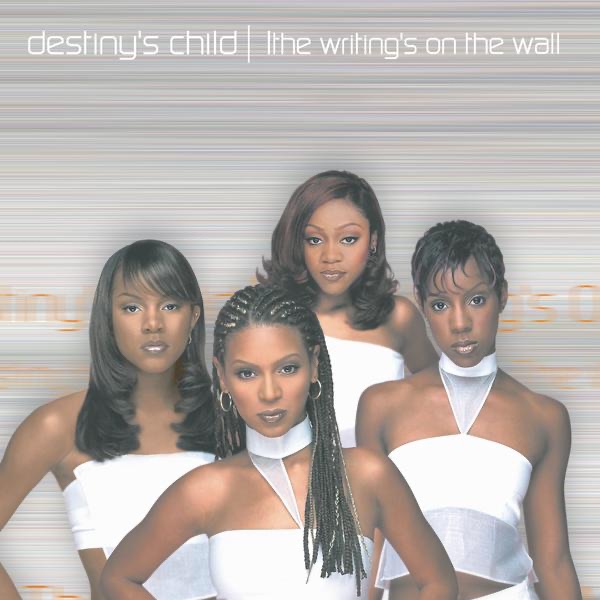
Bills, Bills, Bills
Destiny's Child · The Writing's On the Wall
A sassy demand for accountability, not despair or degradation.
Where the words land
Signal: Worth Weighing, leaning edifying.
What do these signals mean?
- Edifying: Points the heart toward God, truth, hope, or love.
- Worth Weighing: Real good and real concern together. Test it before you take it in.
- Strained: Strains against Scripture: leans toward what could dull or mislead.
- At Odds: At odds with Scripture: celebrates what it warns against. Little here builds up.
Weighed against Scripture
“Now you've been maxing out my card”
“The rich rule over the poor, and the borrower is slave to the lender.”
The borrower becoming a servant to debt mirrors the resentment here of one partner being financially drained by another's irresponsibility.
“Perpetrating to your friends like you be ballin”
“Better to be lightly esteemed yet have a servant, than to be self-important but lack food.”
Proverbs values quiet honesty over hollow appearances of status, which this boyfriend's fake 'ballin' image directly contradicts.
“So, you and me are through”
“Do not make friends with an angry man, and do not associate with a hot-tempered man, or you may learn his ways and entangle yourself in a snare.”
The song's decision to walk away from a user and self-destructive influence lines up with wisdom literature's caution against entangling yourself with those who harm you.
The song as a whole
“If anyone does not provide for his own, and especially his own household, he has denied the faith and is worse than an unbeliever.”
The song's complaint echoes the biblical expectation that a partner provide responsibly rather than depend on being carried by someone else.
In short
This is a breakup anthem about calling out a freeloading, dishonest partner rather than a spiritual reflection. It's about boundaries, financial fairness, and refusing to be taken advantage of in a relationship. The tone is assertive and comedic more than bitter or despairing.
- Lyrical content
No profanity or explicit content; the language is sassy complaint about a freeloading partner, financial exploitation, and dishonesty.
- Spiritual posture
The song doesn't reach toward or away from God; it's a secular relationship grievance focused on fairness and self-respect rather than any deeper posture.
- Apparent intent
Written as an anthem of frustrated empowerment, calling out a user in a relationship and asserting self-worth rather than tolerating being taken advantage of.
What do these ratings mean?
- Lyrical content, what the words say on the surface. Clean: nothing coarse, sexual or violent. Mild: a trace of it, by allusion or a rare word. Strong: profanity, sex or violence in plain words. Explicit: graphic, or sin held up to admire.
- Spiritual posture, where the song's heart points. God-honoring: toward God, truth or hope. Searching: honestly reaching or wrestling toward truth, without arriving. Neutral: spiritually indifferent; neither reaches nor rejects. Dark: despairing, nihilistic, self-exalting or hostile to God.
- Apparent intent, what the song is for. Edifying: worship, encouragement, honest lament. Cathartic: letting grief, anger or longing out, told honestly. Ambiguous: hard to say what the song is for. Harmful: celebrates evil, mocks faith or draws toward sin.
Does this song's call for fairness and boundaries line up with how you'd want to treat or be treated in a relationship?
An AI-assisted reading. It can misread a lyric, a metaphor or a song’s intent.


