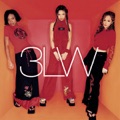
Say My Name
Destiny's Child · The Writing's On the Wall
A catchy demand for honesty that never looks beyond the relationship itself.
Where the words land
Signal: Worth Weighing, leaning edifying.
What do these signals mean?
- Edifying: Points the heart toward God, truth, hope, or love.
- Worth Weighing: Real good and real concern together. Test it before you take it in.
- Strained: Strains against Scripture: leans toward what could dull or mislead.
- At Odds: At odds with Scripture: celebrates what it warns against. Little here builds up.
Weighed against Scripture
“Could it be that you are at the crib wit another lady?”
“He who commits adultery lacks judgment; whoever does so destroys himself.”
The suspicion voiced here points to real damage caused by broken faithfulness, something Proverbs treats as self-destructive, not just hurtful to a partner.
“Why can't you just tell the truth?”
“Therefore each of you must put off falsehood and speak truthfully to his neighbor, for we are all members of one another.”
Her demand for honesty actually aligns with Scripture's call to truthful speech between people in relationship.
“I am not the one to sit around and be played”
“Strength and honor are her clothing, and she can laugh at the days to come.”
Her refusal to be deceived or diminished reflects a kind of self-respecting strength Scripture also commends, though framed here without any larger moral grounding.
In short
This is a song about doubt and suspicion in a relationship, demanding honesty from a partner who seems to be hiding something. It's emotionally charged but not despairing, more defiant and assertive than broken. There's no reach toward God or deeper meaning here, just a very human, relatable frustration with being lied to.
- Spiritual posture
The song stays fixed on relational suspicion and self-protection; it doesn't reach toward God or despair, just toward confrontation and vindication.
- Apparent intent
A catchy, defiant anthem giving voice to the frustration of being strung along or deceived, aimed at empowerment rather than harm.
What do these ratings mean?
- Lyrical content, what the words say on the surface. Clean: nothing coarse, sexual or violent. Mild: a trace of it, by allusion or a rare word. Strong: profanity, sex or violence in plain words. Explicit: graphic, or sin held up to admire.
- Spiritual posture, where the song's heart points. God-honoring: toward God, truth or hope. Searching: honestly reaching or wrestling toward truth, without arriving. Neutral: spiritually indifferent; neither reaches nor rejects. Dark: despairing, nihilistic, self-exalting or hostile to God.
- Apparent intent, what the song is for. Edifying: worship, encouragement, honest lament. Cathartic: letting grief, anger or longing out, told honestly. Ambiguous: hard to say what the song is for. Harmful: celebrates evil, mocks faith or draws toward sin.
Does this song's insistence on truth-telling point you toward valuing honesty more broadly, or just toward frustration with one relationship?
An AI-assisted reading. It can misread a lyric, a metaphor or a song’s intent.