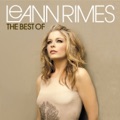
Breathe Again
Toni Braxton · Toni Braxton
Beautiful heartbreak ballad that makes a lover the source of breath itself.
Where the words land
Signal: Worth Weighing, leaning strained.
What do these signals mean?
- Edifying: Points the heart toward God, truth, hope, or love.
- Worth Weighing: Real good and real concern together. Test it before you take it in.
- Strained: Strains against Scripture: leans toward what could dull or mislead.
- At Odds: At odds with Scripture: celebrates what it warns against. Little here builds up.
Weighed against Scripture
“That I shall never breathe again”
“Then the LORD God formed man from the dust of the ground and breathed the breath of life into his nostrils, and the man became a living being.”
Breath and life come from God's own act of creation, not from another person; the song reassigns that source to a lover.
“And I would die if you decide”
“Whom have I in heaven but You? And on earth I desire no one besides You. My flesh and my heart may fail, but God is the strength of my heart and my portion forever.”
The psalmist finds his heart's strength and portion in God even when flesh fails, the opposite of pinning survival on a human relationship.
“God knows I'd surely die”
This is what the LORD says: “Cursed is the man who trusts in mankind, who makes mere flesh his strength and turns his heart from the LORD.
Scripture warns against trusting in man and making flesh one's strength, which is exactly the dependency the lyric voices.
The song as a whole
“Set me as a seal over your heart, as a seal upon your arm. For love is as strong as death, its jealousy as unrelenting as Sheol. Its sparks are fiery flames, the fiercest blaze of all. Mighty waters cannot quench love; rivers cannot sweep it away. If a man were to give all the wealth of his house for love, his offer would be utterly scorned.”
Scripture itself celebrates the fierce intensity of romantic love and the grief of its loss, showing such longing isn't inherently wrong, only when it eclipses all else.
In short
This is a classic heartbreak ballad about the terror of losing a deeply loved partner, sung with real vocal and emotional power. The lyrics repeatedly tie the singer's very breath and life to this one relationship, which is a common poetic exaggeration in love songs but also reveals a posture where a person has become an ultimate source of meaning. There's nothing crude or malicious here, just an intense, somewhat idolatrous devotion to romantic love.
- Lyrical content
Romantic and sensual longing expressed tastefully, no explicit language, focused on fear of losing a lover.
- Spiritual posture
The song makes a human relationship the sole source of life and breath itself, a posture of idolizing another person rather than God.
- Apparent intent
Braxton channels raw heartbreak and dependency into a soaring ballad meant to express devastation at potential loss, not to instruct or harm.
What do these ratings mean?
- Lyrical content, what the words say on the surface. Clean: nothing coarse, sexual or violent. Mild: a trace of it, by allusion or a rare word. Strong: profanity, sex or violence in plain words. Explicit: graphic, or sin held up to admire.
- Spiritual posture, where the song's heart points. God-honoring: toward God, truth or hope. Searching: honestly reaching or wrestling toward truth, without arriving. Neutral: spiritually indifferent; neither reaches nor rejects. Dark: despairing, nihilistic, self-exalting or hostile to God.
- Apparent intent, what the song is for. Edifying: worship, encouragement, honest lament. Cathartic: letting grief, anger or longing out, told honestly. Ambiguous: hard to say what the song is for. Harmful: celebrates evil, mocks faith or draws toward sin.
Can you enjoy the emotional power of this song while remembering that your life and breath ultimately rest in God, not in any one relationship?
An AI-assisted reading. It can misread a lyric, a metaphor or a song’s intent.