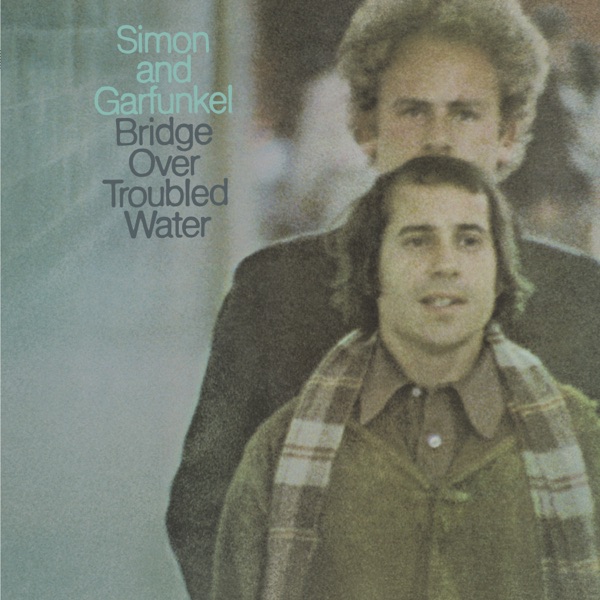
Bridge Over Troubled Water
Simon & Garfunkel · Bridge Over Troubled Water
A tender vow of steadfast love through someone else's darkest hour.
Where the words land
Signal: Edifying.
What do these signals mean?
- Edifying: Points the heart toward God, truth, hope, or love.
- Worth Weighing: Real good and real concern together. Test it before you take it in.
- Strained: Strains against Scripture: leans toward what could dull or mislead.
- At Odds: At odds with Scripture: celebrates what it warns against. Little here builds up.
Weighed against Scripture
“When you're weary,feeling small”
“Come to Me, all you who are weary and burdened, and I will give you rest.”
The invitation to the weary to find rest mirrors Jesus' own call to those who are burdened.
“I will lay me down”
“Greater love has no one than this, that he lay down his life for his friends.”
Laying oneself down as a bridge for another echoes the self-sacrificial love Jesus describes as the greatest love.
“Sail on silvergirl,Sail on by”
“For His anger is fleeting, but His favor lasts a lifetime. Weeping may stay the night, but joy comes in the morning.”
The turn toward hope and brighter days after sorrow echoes the psalm's assurance that joy follows the night of weeping.
The song as a whole
“Blessed be the God and Father of our Lord Jesus Christ, the Father of compassion and the God of all comfort, who comforts us in all our troubles, so that we can comfort those in any trouble with the comfort we ourselves have received from God.”
The promise to comfort another in hardship reflects the comfort believers are called to extend to one another.
Words of Christ are set in red.
In short
This song is an offering of steadfast friendship and comfort to someone in pain, promising presence rather than solutions. It doesn't mention God directly, but its self-giving love and hope for brighter days resonate with the shape of real compassion and grace. The song moves from darkness toward encouragement, never lingering in despair.
What do these ratings mean?
- Lyrical content, what the words say on the surface. Clean: nothing coarse, sexual or violent. Mild: a trace of it, by allusion or a rare word. Strong: profanity, sex or violence in plain words. Explicit: graphic, or sin held up to admire.
- Spiritual posture, where the song's heart points. God-honoring: toward God, truth or hope. Searching: honestly reaching or wrestling toward truth, without arriving. Neutral: spiritually indifferent; neither reaches nor rejects. Dark: despairing, nihilistic, self-exalting or hostile to God.
- Apparent intent, what the song is for. Edifying: worship, encouragement, honest lament. Cathartic: letting grief, anger or longing out, told honestly. Ambiguous: hard to say what the song is for. Harmful: celebrates evil, mocks faith or draws toward sin.
Who in your life might need you to be this kind of bridge right now?
An AI-assisted reading. It can misread a lyric, a metaphor or a song’s intent.


