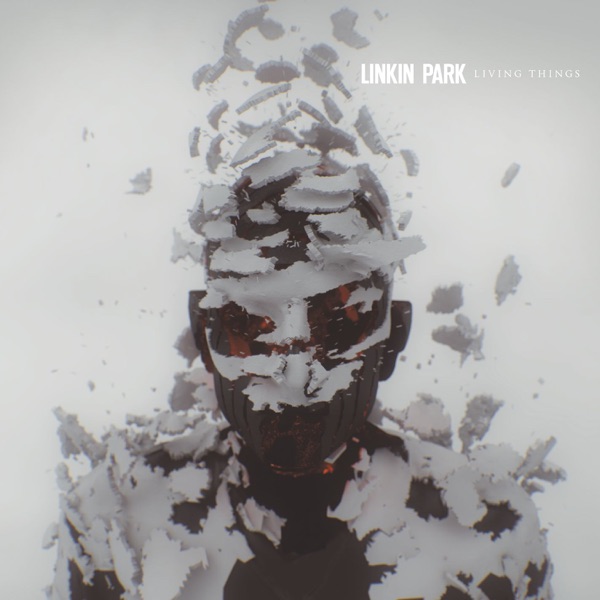
BURN IT DOWN
LINKIN PARK · LIVING THINGS
Honest fury over betrayal that never looks past the flames.
Where the words land
Signal: Strained, leaning worth weighing.
What do these signals mean?
- Edifying: Points the heart toward God, truth, hope, or love.
- Worth Weighing: Real good and real concern together. Test it before you take it in.
- Strained: Strains against Scripture: leans toward what could dull or mislead.
- At Odds: At odds with Scripture: celebrates what it warns against. Little here builds up.
Weighed against Scripture
“We're building it up to break it back down”
“a time to kill and a time to heal, a time to break down and a time to build,”
The song's cycle of building and tearing down mirrors the Preacher's observation of seasons for building up and breaking down, though here it is driven by bitterness rather than wisdom.
“Struck me down when I kissed that ring”
“Even my close friend whom I trusted, the one who shared my bread, has lifted up his heel against me.”
The betrayal by a trusted figure, one who was honored and then turned on the speaker, echoes the psalmist's lament over a close companion's treachery.
“So when you fall, I'll take my turn”
“Do not gloat when your enemy falls, and do not let your heart rejoice when he stumbles,”
Proverbs warns against rejoicing when an enemy falls, while the song leans into relishing the other person's collapse and fanning the flames.
The song as a whole
Do not avenge yourselves, beloved, but leave room for God’s wrath. For it is written: “Vengeance is Mine; I will repay, says the Lord.”
The song's posture of taking one's own turn at vengeance stands against the call to leave room for wrath and not repay evil for evil.
In short
This is a song about a relationship, maybe with fame, a lover, or an institution, that built someone up only to betray and crush them. The anger is raw and understandable, but the song never moves past the desire to watch the other person burn. It stays in the fire rather than reaching toward anything beyond it.
- Lyrical content
No profanity; imagery of fire, betrayal, and collapse carries the weight rather than explicit language.
- Spiritual posture
The song dwells in cycles of building up and tearing down, with a vengeful satisfaction in watching someone else's downfall.
- Apparent intent
Reads as a metaphor for toxic cycles, likely fame or broken trust, giving voice to bitterness and the urge for retribution rather than offering resolution.
What do these ratings mean?
- Lyrical content, what the words say on the surface. Clean: nothing coarse, sexual or violent. Mild: a trace of it, by allusion or a rare word. Strong: profanity, sex or violence in plain words. Explicit: graphic, or sin held up to admire.
- Spiritual posture, where the song's heart points. God-honoring: toward God, truth or hope. Searching: honestly reaching or wrestling toward truth, without arriving. Neutral: spiritually indifferent; neither reaches nor rejects. Dark: despairing, nihilistic, self-exalting or hostile to God.
- Apparent intent, what the song is for. Edifying: worship, encouragement, honest lament. Cathartic: letting grief, anger or longing out, told honestly. Ambiguous: hard to say what the song is for. Harmful: celebrates evil, mocks faith or draws toward sin.
Does this song help you name real hurt, or does it leave you rehearsing the satisfaction of someone else's downfall?
An AI-assisted reading. It can misread a lyric, a metaphor or a song’s intent.


