Childhood
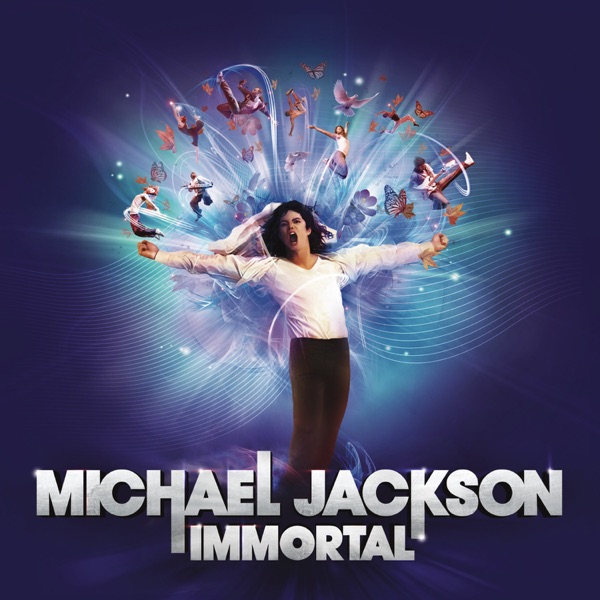
Michael Jackson · Immortal (Music from the Cirque du Soleil Show)
A grown man's quiet plea to be understood, not judged, for his lost youth
Where the words land
Signal: Edifying, leaning worth weighing.
What do these signals mean?
- Edifying: Points the heart toward God, truth, hope, or love.
- Worth Weighing: Real good and real concern together. Test it before you take it in.
- Strained: Strains against Scripture: leans toward what could dull or mislead.
- At Odds: At odds with Scripture: celebrates what it warns against. Little here builds up.
Weighed against Scripture
“Have you seen my childhood?”
“O LORD, You have searched me and known me. You know when I sit and when I rise; You understand my thoughts from afar. You search out my path and my lying down; You are aware of all my ways. Even before a word is on my tongue, You know all about it, O LORD.”
His longing to be seen and known mirrors the psalmist's comfort that God fully knows and searches the heart, even its hidden wounds.
“No one understands me”
“Although my spirit grows faint within me, You know my way. Along the path I travel they have hidden a snare for me. Look to my right and see; no one attends to me. There is no refuge for me; no one cares for my soul.”
The isolation he describes echoes the psalmist's cry of feeling unseen by anyone around him, yet still addressed to someone listening.
“Before you judge me, try hard to love me”
“Do not judge, or you will be judged. For with the same judgment you pronounce, you will be judged, and with the measure you use, it will be measured to you.
His appeal for compassion instead of judgment reflects Jesus's own warning against quick condemnation of others' pain.
The song as a whole
“The Spirit of the Lord GOD is on Me, because the LORD has anointed Me to preach good news to the poor. He has sent Me to bind up the brokenhearted, to proclaim liberty to the captives and freedom to the prisoners, to proclaim the year of the LORD’s favor and the day of our God’s vengeance, to comfort all who mourn, to console the mourners in Zion — to give them a crown of beauty for ashes, the oil of joy for mourning, and a garment of praise for a spirit of despair. So they will be called oaks of righteousness, the planting of the LORD, that He may be glorified.”
The song's longing for healing and restoration of what was broken in youth resonates with the promise of beauty given for ashes.
Words of Christ are set in red.
In short
This is Michael Jackson's own explanation for his unusual persona: a man grieving a childhood he never had, seeking refuge in innocence and wonder. It's less a performance than a confession, asking listeners to see past judgment to the hurt underneath. The tone is wistful rather than despairing, reaching for understanding and connection.
- Spiritual posture
An honest, vulnerable ache for wonder and belonging, reaching toward being understood and loved rather than despairing.
- Apparent intent
Written as a personal plea for empathy, explaining his eccentricities through the pain of a stolen childhood.
What do these ratings mean?
- Lyrical content, what the words say on the surface. Clean: nothing coarse, sexual or violent. Mild: a trace of it, by allusion or a rare word. Strong: profanity, sex or violence in plain words. Explicit: graphic, or sin held up to admire.
- Spiritual posture, where the song's heart points. God-honoring: toward God, truth or hope. Searching: honestly reaching or wrestling toward truth, without arriving. Neutral: spiritually indifferent; neither reaches nor rejects. Dark: despairing, nihilistic, self-exalting or hostile to God.
- Apparent intent, what the song is for. Edifying: worship, encouragement, honest lament. Cathartic: letting grief, anger or longing out, told honestly. Ambiguous: hard to say what the song is for. Harmful: celebrates evil, mocks faith or draws toward sin.
Does this song call you to extend more grace to the people whose private pain you don't fully see?
An AI-assisted reading. It can misread a lyric, a metaphor or a song’s intent.


