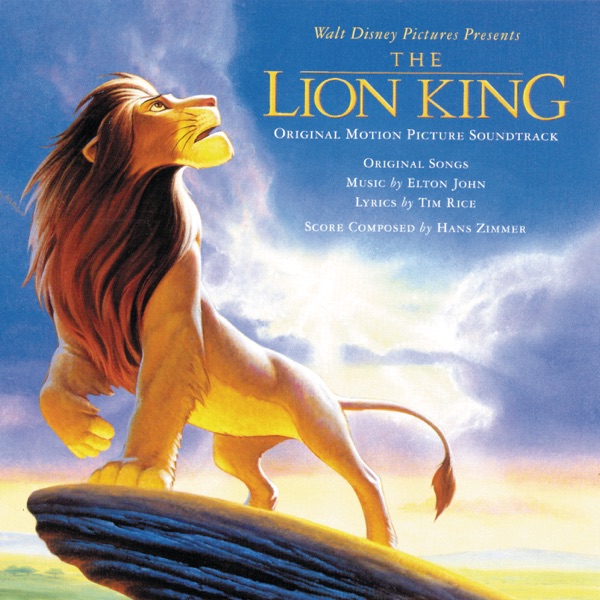
Circle of Life
Carmen Twillie & Lebo M · The Lion King (Original Motion Picture Soundtrack)
Wonder at creation's order, reaching toward meaning without naming its Author.
Where the words land
Signal: Edifying.
What do these signals mean?
- Edifying: Points the heart toward God, truth, hope, or love.
- Worth Weighing: Real good and real concern together. Test it before you take it in.
- Strained: Strains against Scripture: leans toward what could dull or mislead.
- At Odds: At odds with Scripture: celebrates what it warns against. Little here builds up.
Weighed against Scripture
“There's more to see than can ever be seen”
“He has made everything beautiful in its time. He has also set eternity in the hearts of men, yet they cannot fathom the work that God has done from beginning to end.”
Echoes the sense that God has set eternity in human hearts yet made His full work beyond our grasp.
The song as a whole
“He made the moon to mark the seasons; the sun knows when to set. You bring darkness, and it becomes night, when all the beasts of the forest prowl. The young lions roar for their prey and seek their food from God. The sun rises, and they withdraw; they lie down in their dens. Man goes forth to his work and to his labor until evening. How many are Your works, O LORD! In wisdom You have made them all; the earth is full of Your creatures.”
The psalm praises God's ordering of creation's cycles, which this lyric mirrors without naming the Orderer.
“For in this hope we were saved; but hope that is seen is no hope at all. Who hopes for what he can already see? But if we hope for what we do not yet see, we wait for it patiently.”
Captures the same tension of hoping through hardship, though the song stops short of naming hope's object.
“From one man He made every nation of men, that they should inhabit the whole earth; and He determined their appointed times and the boundaries of their lands. God intended that they would seek Him and perhaps reach out for Him and find Him, though He is not far from each one of us. ‘For in Him we live and move and have our being.’ As some of your own poets have said, ‘We are His offspring.’”
Paul names the God in whom we live, move, and have our being; the song gestures at this truth but leaves the source unnamed.
In short
This is a sweeping, reverent meditation on life's vastness and interconnectedness, sung from a place of wonder rather than doctrine. It doesn't name God, but it reaches toward the kind of order and purpose Scripture attributes to Him. The despair it names is folded into a larger hope, not left to fester.
- Spiritual posture
Acknowledges despair alongside hope and faith, reaching toward meaning in life's vastness without naming God directly.
What do these ratings mean?
- Lyrical content, what the words say on the surface. Clean: nothing coarse, sexual or violent. Mild: a trace of it, by allusion or a rare word. Strong: profanity, sex or violence in plain words. Explicit: graphic, or sin held up to admire.
- Spiritual posture, where the song's heart points. God-honoring: toward God, truth or hope. Searching: honestly reaching or wrestling toward truth, without arriving. Neutral: spiritually indifferent; neither reaches nor rejects. Dark: despairing, nihilistic, self-exalting or hostile to God.
- Apparent intent, what the song is for. Edifying: worship, encouragement, honest lament. Cathartic: letting grief, anger or longing out, told honestly. Ambiguous: hard to say what the song is for. Harmful: celebrates evil, mocks faith or draws toward sin.
Does this song's sense of wonder point you toward the God who set these cycles in motion?
An AI-assisted reading. It can misread a lyric, a metaphor or a song’s intent.