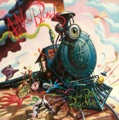
Meant to Live
Switchfoot · The Beautiful Letdown (Deluxe Version)
A restless anthem that points past this world toward something greater.
Where the words land
Signal: Edifying.
What do these signals mean?
- Edifying: Points the heart toward God, truth, hope, or love.
- Worth Weighing: Real good and real concern together. Test it before you take it in.
- Strained: Strains against Scripture: leans toward what could dull or mislead.
- At Odds: At odds with Scripture: celebrates what it warns against. Little here builds up.
Weighed against Scripture
“wondering why the world has passed him by”
“Futility of futilities,” says the Teacher, “futility of futilities! Everything is futile!” What does a man gain from all his labor, at which he toils under the sun?
The weary sense that ordinary life isn't delivering what it promised mirrors the Preacher's own disillusionment with 'life under the sun.'
“We were meant to live for so much more”
“Therefore, since you have been raised with Christ, strive for the things above, where Christ is seated at the right hand of God. Set your minds on things above, not on earthly things.”
The chorus's cry for a higher purpose echoes Paul's call to set minds on things above rather than settling for the merely earthly.
“We want more than this world's got to offer”
“Whom have I in heaven but You? And on earth I desire no one besides You. My flesh and my heart may fail, but God is the strength of my heart and my portion forever.”
The psalmist's confession that nothing on earth compares to God resonates with the song's hunger for something beyond material life.
The song as a whole
“We know that the whole creation has been groaning together in the pains of childbirth until the present time. Not only that, but we ourselves, who have the firstfruits of the Spirit, groan inwardly as we wait eagerly for our adoption as sons, the redemption of our bodies.”
Paul describes creation groaning for renewal, the same instinctive longing the song voices as a scream for 'second life.'
“He has made everything beautiful in its time. He has also set eternity in the hearts of men, yet they cannot fathom the work that God has done from beginning to end.”
The whole song's restlessness fits the idea that God 'has set eternity in the human heart,' leaving us unsatisfied with lesser things.
In short
This is a song about waking up to the feeling that life has more purpose than the status quo offers. It doesn't name God outright, but its ache for meaning, its dissatisfaction with 'this world's got to offer,' and its cry toward a 'second life' all point upward rather than into despair. It's restless in a healthy way, more like a Psalm of longing than a complaint without hope.
- Spiritual posture
The song aches for something beyond the ordinary, naming a sense of lost purpose without naming God directly, much like Ecclesiastes' restlessness.
What do these ratings mean?
- Lyrical content, what the words say on the surface. Clean: nothing coarse, sexual or violent. Mild: a trace of it, by allusion or a rare word. Strong: profanity, sex or violence in plain words. Explicit: graphic, or sin held up to admire.
- Spiritual posture, where the song's heart points. God-honoring: toward God, truth or hope. Searching: honestly reaching or wrestling toward truth, without arriving. Neutral: spiritually indifferent; neither reaches nor rejects. Dark: despairing, nihilistic, self-exalting or hostile to God.
- Apparent intent, what the song is for. Edifying: worship, encouragement, honest lament. Cathartic: letting grief, anger or longing out, told honestly. Ambiguous: hard to say what the song is for. Harmful: celebrates evil, mocks faith or draws toward sin.
What would it look like for you to actually live for the 'more' this song is longing for?
An AI-assisted reading. It can misread a lyric, a metaphor or a song’s intent.