Come Together
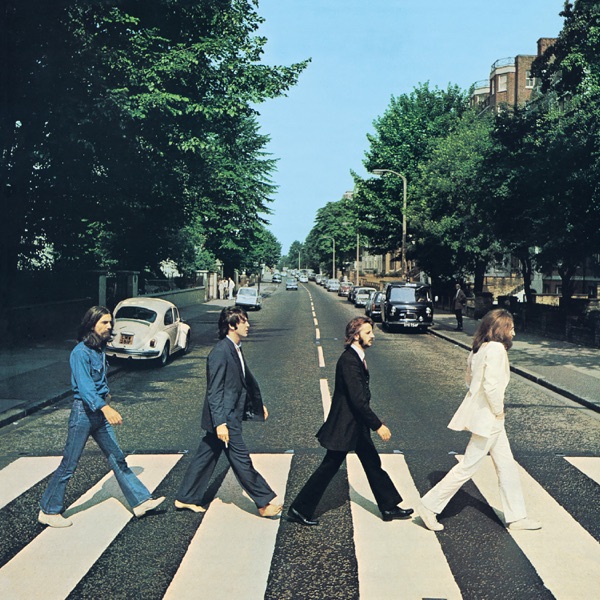
The Beatles · Abbey Road (Remastered)
Playful nonsense with a catchy groove, more fun than meaning.
Where the words land
Signal: Worth Weighing, leaning edifying.
What do these signals mean?
- Edifying: Points the heart toward God, truth, hope, or love.
- Worth Weighing: Real good and real concern together. Test it before you take it in.
- Strained: Strains against Scripture: leans toward what could dull or mislead.
- At Odds: At odds with Scripture: celebrates what it warns against. Little here builds up.
Weighed against Scripture
“got to be free”
“For you, brothers, were called to freedom; but do not use your freedom as an opportunity for the flesh. Rather, serve one another in love.”
The song's freedom is undefined self-expression, while Paul frames true freedom as freedom to love and serve, not just to 'do what he please.'
“one and one and one is three”
“Futility of futilities,” says the Teacher, “futility of futilities! Everything is futile!”
The riddling nonsense here mirrors the Preacher's observation that much of life's cleverness amounts to vapor; the line entertains without offering real meaning.
The song as a whole
“When I was a child, I talked like a child, I thought like a child, I reasoned like a child. When I became a man, I set aside childish ways.”
The song's playful, childlike wordplay is fun but offers no substance to grow on; Paul contrasts such things with maturity and lasting love.
In short
This is largely sonic and verbal play, a string of surreal character sketches stitched together by a repeated invitation to 'come together.' There's no real spiritual direction here, just vibe, rhythm, and playful mystery. It's a song to enjoy for its craft and weirdness more than to glean meaning from.
- Lyrical content
Surreal, nonsensical imagery and wordplay with one veiled drug reference ('shoot Coca-Cola') but nothing explicit or crude.
- Spiritual posture
The song doesn't reach toward or away from God; it's abstract, playful nonsense celebrating individuality and vague unity.
- Apparent intent
Lennon reportedly wrote this as stream-of-consciousness wordplay, partly repurposed from a Timothy Leary campaign slogan, more about sound and attitude than clear meaning.
What do these ratings mean?
- Lyrical content, what the words say on the surface. Clean: nothing coarse, sexual or violent. Mild: a trace of it, by allusion or a rare word. Strong: profanity, sex or violence in plain words. Explicit: graphic, or sin held up to admire.
- Spiritual posture, where the song's heart points. God-honoring: toward God, truth or hope. Searching: honestly reaching or wrestling toward truth, without arriving. Neutral: spiritually indifferent; neither reaches nor rejects. Dark: despairing, nihilistic, self-exalting or hostile to God.
- Apparent intent, what the song is for. Edifying: worship, encouragement, honest lament. Cathartic: letting grief, anger or longing out, told honestly. Ambiguous: hard to say what the song is for. Harmful: celebrates evil, mocks faith or draws toward sin.
Does this song's appeal lie in its craft and fun, or are you looking to it for something it was never meant to offer?
An AI-assisted reading. It can misread a lyric, a metaphor or a song’s intent.