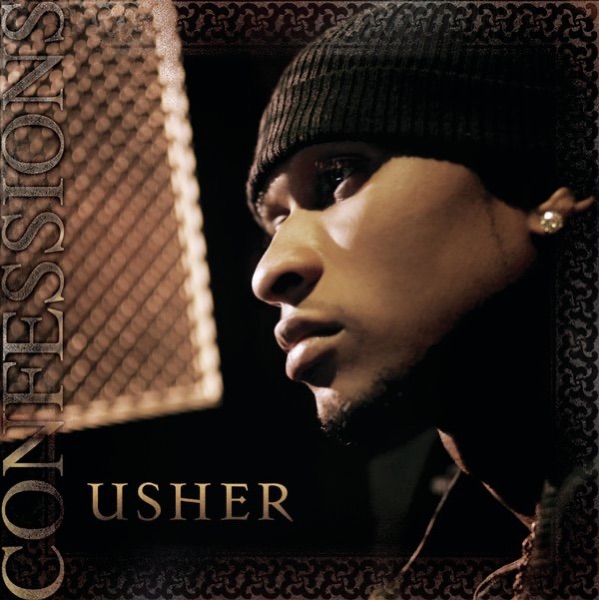
Confessions
USHER · Confessions (Expanded Edition)
A raw confession of betrayal that never reaches repentance, just damage control.
Where the words land
Signal: Strained, leaning worth weighing.
What do these signals mean?
- Edifying: Points the heart toward God, truth, hope, or love.
- Worth Weighing: Real good and real concern together. Test it before you take it in.
- Strained: Strains against Scripture: leans toward what could dull or mislead.
- At Odds: At odds with Scripture: celebrates what it warns against. Little here builds up.
Weighed against Scripture
“My chick on the side said she got one on the way”
“He who commits adultery lacks judgment; whoever does so destroys himself.”
The song treats infidelity as a crisis to manage rather than naming it as the self-destructive act this proverb warns against.
“Damn near cried when I got that phone call”
“Yes, I confess my iniquity; I am troubled by my sin.”
There's genuine anguish and acknowledgment of wrongdoing here, echoing the psalmist's grief over his own sin, even without turning to God.
“Third thing was me wishin' that I never did what I did”
“Godly sorrow brings repentance that leads to salvation without regret, but worldly sorrow brings death.”
His regret centers on consequences to his relationship and life, not a godly sorrow that leads to change; it's worldly grief as Paul distinguishes it.
The song as a whole
“He who conceals his sins will not prosper, but whoever confesses and renounces them will find mercy.”
Confessing rather than concealing wrongdoing aligns with this proverb's call, even though his motive seems more about saving the relationship than true repentance.
In short
This is a dramatized confession of infidelity and its fallout, told with real emotional weight but little self-examination beyond fear of losing what he has. It's less a meditation on sin than a narrative of panic and self-preservation. The honesty about consequences is notable, but there's no turn toward genuine accountability or growth.
- Lyrical content
No profanity or explicit sexual detail; it's a narrative confession about infidelity and an unplanned pregnancy, told with raw emotional honesty.
- Spiritual posture
The song wrestles with guilt and fear of consequences but doesn't reach toward repentance or God; it stays focused on self-preservation and damage control within the relationship.
- Apparent intent
Usher is airing a confession as storytelling/catharsis, dramatizing shame and the fear of losing someone he loves rather than glamorizing the affair.
What do these ratings mean?
- Lyrical content, what the words say on the surface. Clean: nothing coarse, sexual or violent. Mild: a trace of it, by allusion or a rare word. Strong: profanity, sex or violence in plain words. Explicit: graphic, or sin held up to admire.
- Spiritual posture, where the song's heart points. God-honoring: toward God, truth or hope. Searching: honestly reaching or wrestling toward truth, without arriving. Neutral: spiritually indifferent; neither reaches nor rejects. Dark: despairing, nihilistic, self-exalting or hostile to God.
- Apparent intent, what the song is for. Edifying: worship, encouragement, honest lament. Cathartic: letting grief, anger or longing out, told honestly. Ambiguous: hard to say what the song is for. Harmful: celebrates evil, mocks faith or draws toward sin.
Does this song's honesty about consequences stop short of the deeper honesty repentance requires?
An AI-assisted reading. It can misread a lyric, a metaphor or a song’s intent.