Creep
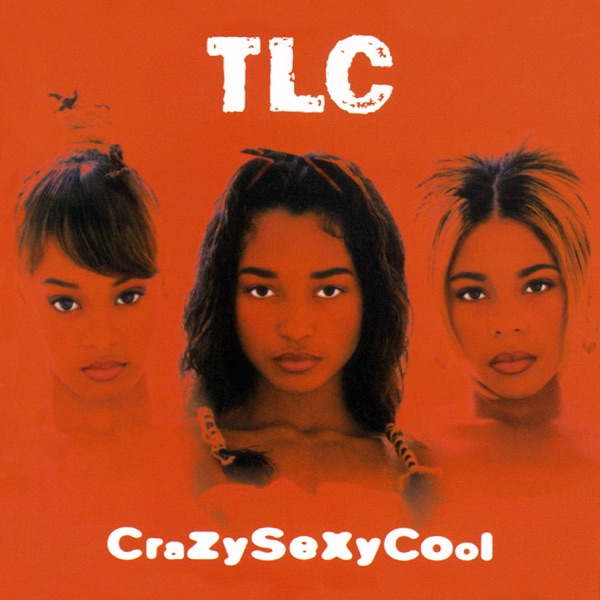
TLC · CrazySexyCool
Honest about heartbreak, but settles into retaliation instead of resolving it.
Where the words land
Signal: Strained, leaning worth weighing.
What do these signals mean?
- Edifying: Points the heart toward God, truth, hope, or love.
- Worth Weighing: Real good and real concern together. Test it before you take it in.
- Strained: Strains against Scripture: leans toward what could dull or mislead.
- At Odds: At odds with Scripture: celebrates what it warns against. Little here builds up.
Weighed against Scripture
“I know he's cheatin' on me”
Yet you ask, “Why?” It is because the LORD has been a witness between you and the wife of your youth, against whom you have broken faith, though she is your companion and your wife by covenant. Has not the LORD made them one, having a portion of the Spirit? And why one? Because He seeks godly offspring. So guard yourselves in your spirit and do not break faith with the wife of your youth. “For I hate divorce,” says the LORD, the God of Israel. “He who divorces his wife covers his garment with violence,” says the LORD of Hosts. So guard yourselves in your spirit and do not break faith.
The song opens with real betrayal, which Scripture takes seriously as a breach of covenant faithfulness, not as license for more betrayal.
“It's only 'cause I need some affection”
“Drink water from your own cistern, and running water from your own well. Why should your springs flow in the streets, your streams of water in the public squares? Let them be yours alone, never to be shared with strangers. May your fountain be blessed, and may you rejoice in the wife of your youth:”
Scripture points toward seeking intimacy within the bond itself rather than outside it, even when that bond is wounded.
“I choose to keep him protected”
“Therefore each of you must put off falsehood and speak truthfully to his neighbor, for we are all members of one another.”
The narrator frames secrecy as protective, but Scripture calls deception between partners corrosive, not caring.
“If I don't get it I'ma get mine”
“Do not be deceived: God is not to be mocked. Whatever a man sows, he will reap in return. The one who sows to please his flesh, from the flesh will reap destruction; but the one who sows to please the Spirit, from the Spirit will reap eternal life.”
The song's closing attitude treats taking what one wants as justified; Scripture warns that what is sown this way is eventually reaped in kind.
In short
This is a frank, almost confessional account of a woman cheating on an unfaithful partner, told without judgment or resolution. The hook isn't shame but self-justification: loneliness and betrayal become the reason to mirror the wrong rather than face it. It's emotionally honest about pain, but it never reaches past the cycle it describes.
- Lyrical content
No explicit language, but the subject matter is infidelity presented matter-of-factly as a response to being cheated on.
- Spiritual posture
The narrator rationalizes her own unfaithfulness as justified payback, choosing self-protection and secrecy over honesty or confrontation.
- Apparent intent
TLC frames this as candid storytelling about loneliness and betrayal in relationships, not an endorsement, but the song never questions the logic of 'cheating because I was cheated on.'
What do these ratings mean?
- Lyrical content, what the words say on the surface. Clean: nothing coarse, sexual or violent. Mild: a trace of it, by allusion or a rare word. Strong: profanity, sex or violence in plain words. Explicit: graphic, or sin held up to admire.
- Spiritual posture, where the song's heart points. God-honoring: toward God, truth or hope. Searching: honestly reaching or wrestling toward truth, without arriving. Neutral: spiritually indifferent; neither reaches nor rejects. Dark: despairing, nihilistic, self-exalting or hostile to God.
- Apparent intent, what the song is for. Edifying: worship, encouragement, honest lament. Cathartic: letting grief, anger or longing out, told honestly. Ambiguous: hard to say what the song is for. Harmful: celebrates evil, mocks faith or draws toward sin.
Does this song's honesty about pain stop short of pointing toward anything that could actually heal it?
An AI-assisted reading. It can misread a lyric, a metaphor or a song’s intent.