Cry for Help
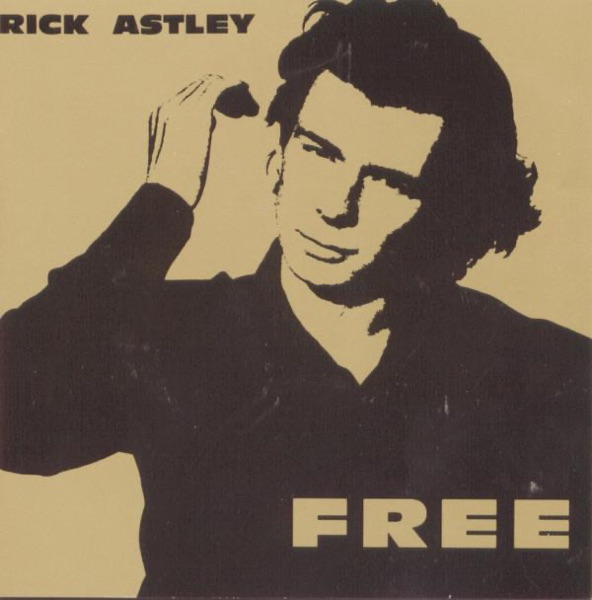
Rick Astley · Free
A tender plea to stop hiding pain and let love in.
Where the words land
Signal: Edifying.
What do these signals mean?
- Edifying: Points the heart toward God, truth, hope, or love.
- Worth Weighing: Real good and real concern together. Test it before you take it in.
- Strained: Strains against Scripture: leans toward what could dull or mislead.
- At Odds: At odds with Scripture: celebrates what it warns against. Little here builds up.
Weighed against Scripture
“Why must we hide emotions?”
My tears have been my food both day and night, while men ask me all day long, “Where is your God?” These things come to mind as I pour out my soul: how I walked with the multitude, leading the festive procession to the house of God with shouts of joy and praise. Why are you downcast, O my soul? Why the unease within me? Put your hope in God, for I will yet praise Him for the salvation of His presence.
The psalmist, like the singer, refuses to bury his tears and instead voices them openly as a step toward hope.
“No need to feel ashamed”
It is just as the Scripture says: “Anyone who believes in Him will never be put to shame.”
The assurance that vulnerability need not bring shame mirrors the promise that trust will not lead to disgrace.
“Put your trust in me”
“Trust in the LORD with all your heart, and lean not on your own understanding; in all your ways acknowledge Him, and He will make your paths straight.”
The call to trust another with one's burdens parallels, in a human way, the deeper call to trust and lean not on oneself.
The song as a whole
Then you will know the truth, and the truth will set you free.” “We are Abraham’s descendants,” they answered. “We have never been slaves to anyone. How can You say we will be set free?” Jesus replied, “Truly, truly, I tell you, everyone who sins is a slave to sin. A slave does not remain in the house forever, but a son remains forever. So if the Son sets you free, you will be free indeed.
The promise of freedom through love and truth reflects, in miniature, the greater freedom found in being truly known and loved.
“Carry one another’s burdens, and in this way you will fulfill the law of Christ.”
The whole song is essentially a plea for someone to bear another's burden rather than let them suffer in silence.
Words of Christ are set in red.
In short
This is a song about the ache of hidden pain and the longing to be truly seen. Rather than glamorizing despair, it pushes toward vulnerability, trust, and release, insisting that crying out is healthier than hiding. It ends with an offer of love and freedom, not a shrug.
- Spiritual posture
The song reaches honestly toward vulnerability and connection, pleading for openness rather than wallowing in despair.
What do these ratings mean?
- Lyrical content, what the words say on the surface. Clean: nothing coarse, sexual or violent. Mild: a trace of it, by allusion or a rare word. Strong: profanity, sex or violence in plain words. Explicit: graphic, or sin held up to admire.
- Spiritual posture, where the song's heart points. God-honoring: toward God, truth or hope. Searching: honestly reaching or wrestling toward truth, without arriving. Neutral: spiritually indifferent; neither reaches nor rejects. Dark: despairing, nihilistic, self-exalting or hostile to God.
- Apparent intent, what the song is for. Edifying: worship, encouragement, honest lament. Cathartic: letting grief, anger or longing out, told honestly. Ambiguous: hard to say what the song is for. Harmful: celebrates evil, mocks faith or draws toward sin.
Is there pain in your own life you've been hiding instead of bringing into the light?
An AI-assisted reading. It can misread a lyric, a metaphor or a song’s intent.