Tennessee
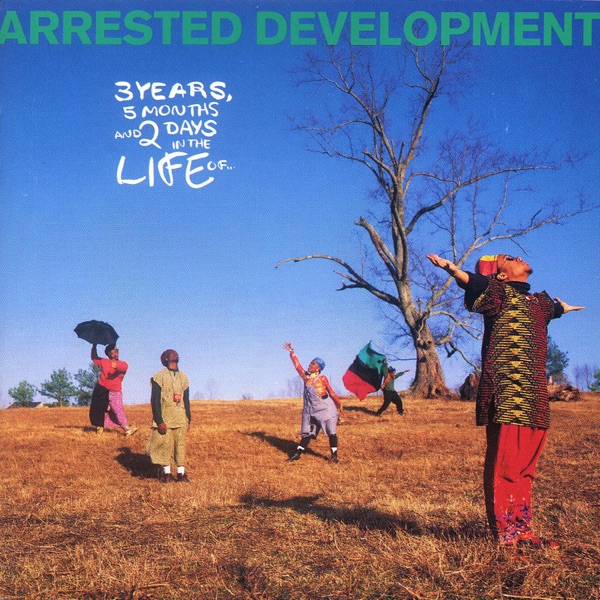
Arrested Development · 3 Years, 5 Months and 2 Days In the Life Of...
An honest prayer through grief, history, and the search for truth.
Where the words land
Signal: Edifying.
What do these signals mean?
- Edifying: Points the heart toward God, truth, hope, or love.
- Worth Weighing: Real good and real concern together. Test it before you take it in.
- Strained: Strains against Scripture: leans toward what could dull or mislead.
- At Odds: At odds with Scripture: celebrates what it warns against. Little here builds up.
Weighed against Scripture
“Lord I've really been real stressed”
“Why are you downcast, O my soul? Why the unease within me? Put your hope in God, for I will yet praise Him for the salvation of His presence.”
The psalmist's self-address amid despair mirrors the singer's honest naming of stress and sorrow before God.
“I know you're supposed to be my steering wheel”
“Trust in the LORD with all your heart, and lean not on your own understanding; in all your ways acknowledge Him, and He will make your paths straight.”
The plea to let God guide rather than merely assist echoes the call to trust the Lord fully rather than lean on one's own understanding.
“Climbed the trees my forefathers hung from”
“Remember, O LORD, what has happened to us. Look and see our disgrace!”
Bringing ancestral suffering before God as a remembered wound matches the lament tradition of naming historic affliction in prayer.
“Lord it's obvious we got a relationship”
“Draw near to God, and He will draw near to you. Cleanse your hands, you sinners, and purify your hearts, you double-minded.”
The daily back-and-forth with God described here reflects the drawing near that invites God's nearness in return.
The song as a whole
“All things are wearisome, more than one can describe; the eye is not satisfied with seeing, nor the ear content with hearing.”
The song's ending admission of still being thirsty despite drinking more truth echoes the restless, never-fully-satisfied search for meaning found in Ecclesiastes.
In short
This is a prayer-journey song, tracing grief over family loss and racial history into a literal and spiritual pilgrimage toward understanding. The singer doesn't arrive at tidy answers, but keeps talking to God through the ache, asking to be guided rather than abandoned. It models lament that stays in relationship rather than lament that curdles into despair.
- Spiritual posture
The singer is in direct, honest conversation with God, wrestling with grief, history, and identity while seeking guidance rather than resolution.
What do these ratings mean?
- Lyrical content, what the words say on the surface. Clean: nothing coarse, sexual or violent. Mild: a trace of it, by allusion or a rare word. Strong: profanity, sex or violence in plain words. Explicit: graphic, or sin held up to admire.
- Spiritual posture, where the song's heart points. God-honoring: toward God, truth or hope. Searching: honestly reaching or wrestling toward truth, without arriving. Neutral: spiritually indifferent; neither reaches nor rejects. Dark: despairing, nihilistic, self-exalting or hostile to God.
- Apparent intent, what the song is for. Edifying: worship, encouragement, honest lament. Cathartic: letting grief, anger or longing out, told honestly. Ambiguous: hard to say what the song is for. Harmful: celebrates evil, mocks faith or draws toward sin.
Where in your own life are you still asking God to be your steering wheel rather than just your spare tire?
An AI-assisted reading. It can misread a lyric, a metaphor or a song’s intent.