Dani California
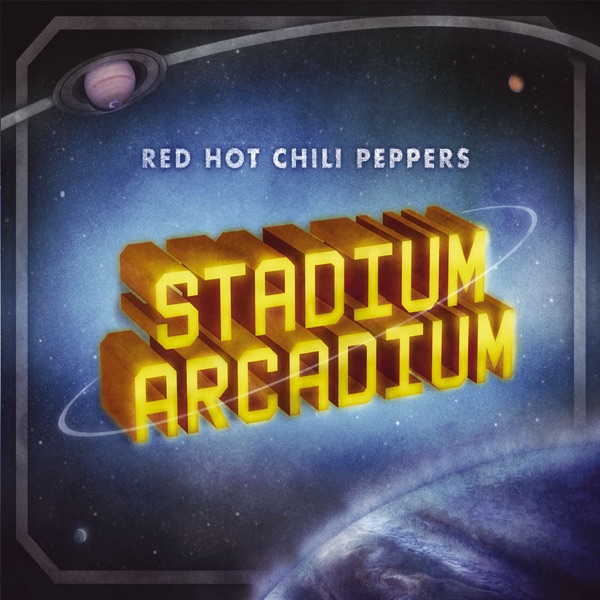
Red Hot Chili Peppers · Stadium Arcadium
A glamorized outlaw tale, vivid but spiritually weightless.
Where the words land
Signal: Worth Weighing, leaning strained.
What do these signals mean?
- Edifying: Points the heart toward God, truth, hope, or love.
- Worth Weighing: Real good and real concern together. Test it before you take it in.
- Strained: Strains against Scripture: leans toward what could dull or mislead.
- At Odds: At odds with Scripture: celebrates what it warns against. Little here builds up.
Weighed against Scripture
“She never knew that there was anything more than poor”
“He who loves money is never satisfied by money, and he who loves wealth is never satisfied by income. This too is futile.”
The character's restless grasping beyond poverty mirrors the futility of chasing more without finding satisfaction.
“A little loaded, she was stealin' another breath”
“Wine is a mocker, strong drink is a brawler, and whoever is led astray by them is not wise.”
The song treats substance use as part of her wild allure rather than something leading astray, in tension with this warning.
The song as a whole
“So teach us to number our days, that we may present a heart of wisdom.”
The mourning tone brushes against mortality's brevity, though the song doesn't draw out the wisdom this psalm calls for.
“Anything my eyes desired, I did not deny myself. I refused my heart no pleasure. For my heart took delight in all my work, and this was the reward for all my labor. Yet when I considered all the works that my hands had accomplished and what I had toiled to achieve, I found everything to be futile, a pursuit of the wind; there was nothing to be gained under the sun.”
The whole arc, a life of thrills and running, ends abruptly without reflection, unlike Ecclesiastes which pairs pleasure-chasing with searching conclusions.
In short
This is a storytelling song, a composite outlaw character built from Americana imagery, romanticized danger, and a sudden, unexplained death. It's more cinematic than confessional, closer to myth-making than personal testimony. There's little spiritual weight here either way; it's mostly mood, rhythm, and narrative flourish.
- Lyrical content
A cinematic outlaw story told through travelogue imagery, violence and drugs are referenced but not dwelt on graphically.
- Spiritual posture
The song mythologizes a restless, doomed character without reaching toward or away from God; it's mostly narrative color.
- Apparent intent
A composite character sketch (echoing past RHCP songs and rock archetypes), built for storytelling and nostalgia rather than moral instruction.
What do these ratings mean?
- Lyrical content, what the words say on the surface. Clean: nothing coarse, sexual or violent. Mild: a trace of it, by allusion or a rare word. Strong: profanity, sex or violence in plain words. Explicit: graphic, or sin held up to admire.
- Spiritual posture, where the song's heart points. God-honoring: toward God, truth or hope. Searching: honestly reaching or wrestling toward truth, without arriving. Neutral: spiritually indifferent; neither reaches nor rejects. Dark: despairing, nihilistic, self-exalting or hostile to God.
- Apparent intent, what the song is for. Edifying: worship, encouragement, honest lament. Cathartic: letting grief, anger or longing out, told honestly. Ambiguous: hard to say what the song is for. Harmful: celebrates evil, mocks faith or draws toward sin.
Does the romance of this story shape how you think about real choices and real consequences?
An AI-assisted reading. It can misread a lyric, a metaphor or a song’s intent.


