Daughters
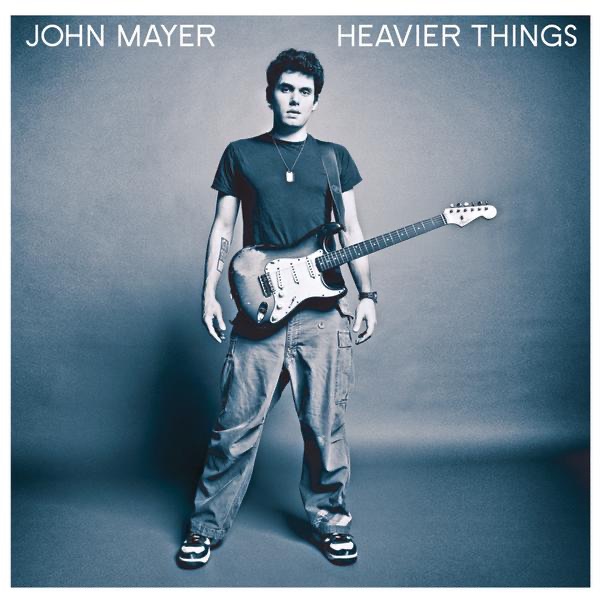
John Mayer · Heavier Things
A plea for parents to love well so children don't inherit their wounds.
Where the words land
Signal: Edifying.
What do these signals mean?
- Edifying: Points the heart toward God, truth, hope, or love.
- Worth Weighing: Real good and real concern together. Test it before you take it in.
- Strained: Strains against Scripture: leans toward what could dull or mislead.
- At Odds: At odds with Scripture: celebrates what it warns against. Little here builds up.
Weighed against Scripture
“Fathers, be good to your daughters”
“Fathers, do not provoke your children to wrath; instead, bring them up in the discipline and instruction of the Lord.”
Paul's charge to fathers not to provoke their children but raise them gently mirrors the song's plea for careful, loving fatherhood.
“You are the god and the weight of her world”
“You shall have no other gods before Me.”
The line is hyperbole about a father's outsized influence, but it brushes against language reserved for God alone, worth noting even as poetic exaggeration.
The song as a whole
“Though my father and mother forsake me, the LORD will receive me.”
The psalmist names the real wound of parental abandonment, the same ache this verse describes in the daughter left behind.
“When I was a child, I talked like a child, I thought like a child, I reasoned like a child. When I became a man, I set aside childish ways.”
Paul ties maturity to putting away childish things through growth and grace, while the song hints boys harden into stoic endurance instead, a narrower picture of strength.
“Train up a child in the way he should go, and when he is old he will not depart from it.”
The song's whole argument, that how we raise children shapes who they become, echoes this proverb's wisdom about training up a child.
In short
This is Mayer's reflection on how parental love (or its absence) echoes forward into how children learn to love as adults. It's tender and vulnerable rather than preachy, naming real wounds without wallowing in them. The hyperbolic 'you are the god' line is poetic license about influence, not a theological claim, but it's worth noticing.
- Spiritual posture
Doesn't invoke God directly but reaches toward truth about love, wounds, and generational patterns, almost reverent in tone ('you are the god and the weight of her world' as metaphor for influence, not literal claim).
What do these ratings mean?
- Lyrical content, what the words say on the surface. Clean: nothing coarse, sexual or violent. Mild: a trace of it, by allusion or a rare word. Strong: profanity, sex or violence in plain words. Explicit: graphic, or sin held up to admire.
- Spiritual posture, where the song's heart points. God-honoring: toward God, truth or hope. Searching: honestly reaching or wrestling toward truth, without arriving. Neutral: spiritually indifferent; neither reaches nor rejects. Dark: despairing, nihilistic, self-exalting or hostile to God.
- Apparent intent, what the song is for. Edifying: worship, encouragement, honest lament. Cathartic: letting grief, anger or longing out, told honestly. Ambiguous: hard to say what the song is for. Harmful: celebrates evil, mocks faith or draws toward sin.
Does this song's call to intentional, gentle parenting match how Scripture frames the weight and privilege of raising children?
An AI-assisted reading. It can misread a lyric, a metaphor or a song’s intent.