No Son of Mine
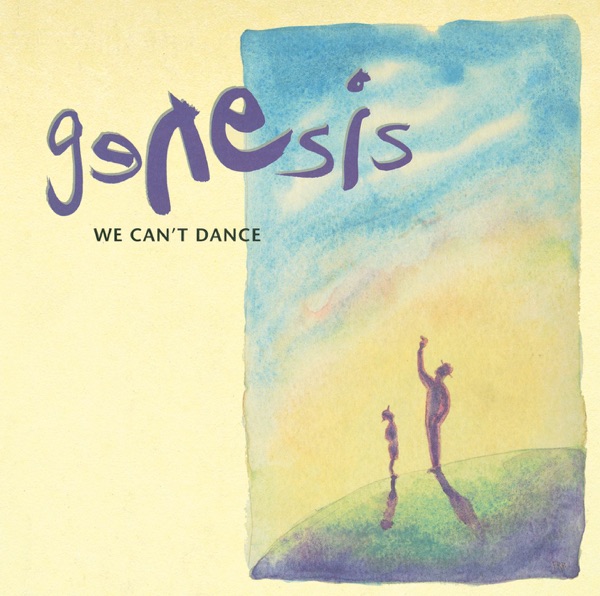
Genesis · We Can't Dance (Remastered)
A son's painful, honest reach for reconciliation that was refused
Where the words land
Signal: Edifying, leaning worth weighing.
What do these signals mean?
- Edifying: Points the heart toward God, truth, hope, or love.
- Worth Weighing: Real good and real concern together. Test it before you take it in.
- Strained: Strains against Scripture: leans toward what could dull or mislead.
- At Odds: At odds with Scripture: celebrates what it warns against. Little here builds up.
Weighed against Scripture
“I needed a place where I could hide”
“Though my father and mother forsake me, the LORD will receive me.”
The narrator's flight from a frightening home echoes this psalm's assurance that God gathers in the one even parents forsake.
“I rang the bell with my heart in my mouth”
“So he got up and went to his father. But while he was still in the distance, his father saw him and was filled with compassion. He ran to his son, embraced him, and kissed him.”
Unlike the father who runs to embrace his returning son, this father delivers rejection, sharpening the ache of the prodigal story by its absence.
“You're no son, you're no son of mine”
“The LORD is near to the brokenhearted; He saves the contrite in spirit.”
The brokenhearted son finds no comfort from his father, but this verse holds out that God draws near to exactly this kind of crushed spirit.
The song as a whole
And he will turn the hearts of the fathers to their children, and the hearts of the children to their fathers. Otherwise, I will come and strike the land with a curse.”
Scripture envisions hearts of parents and children turned toward each other; this home shows the opposite, a rupture rather than reconciliation.
“Fathers, do not provoke your children to wrath; instead, bring them up in the discipline and instruction of the Lord.”
The whole song portrays a father whose harshness provokes rather than nurtures, the very failure this instruction warns fathers against.
Words of Christ are set in red.
In short
This is a story-song about a child who flees an abusive home and later tries, at great emotional cost, to seek reconciliation, only to be coldly turned away. It doesn't celebrate the estrangement; it mourns it, giving voice to the ache of someone desperate to be received and finding rejection instead. There's real pathos here, and the song's sympathy clearly lies with the wounded son, not the hardened father.
- Spiritual posture
The narrator reaches out for reconciliation and help after fleeing harm, even though the response he meets is cold rejection rather than welcome.
- Apparent intent
Genesis tells a story of childhood fear, estrangement, and the painful hope of being received back; it names real family brokenness honestly rather than glamorizing it.
What do these ratings mean?
- Lyrical content, what the words say on the surface. Clean: nothing coarse, sexual or violent. Mild: a trace of it, by allusion or a rare word. Strong: profanity, sex or violence in plain words. Explicit: graphic, or sin held up to admire.
- Spiritual posture, where the song's heart points. God-honoring: toward God, truth or hope. Searching: honestly reaching or wrestling toward truth, without arriving. Neutral: spiritually indifferent; neither reaches nor rejects. Dark: despairing, nihilistic, self-exalting or hostile to God.
- Apparent intent, what the song is for. Edifying: worship, encouragement, honest lament. Cathartic: letting grief, anger or longing out, told honestly. Ambiguous: hard to say what the song is for. Harmful: celebrates evil, mocks faith or draws toward sin.
Does this song's honest grief over broken family bonds stir you toward compassion, prayer, or your own relationships needing healing?
An AI-assisted reading. It can misread a lyric, a metaphor or a song’s intent.


