Do I Have to Say the Words?
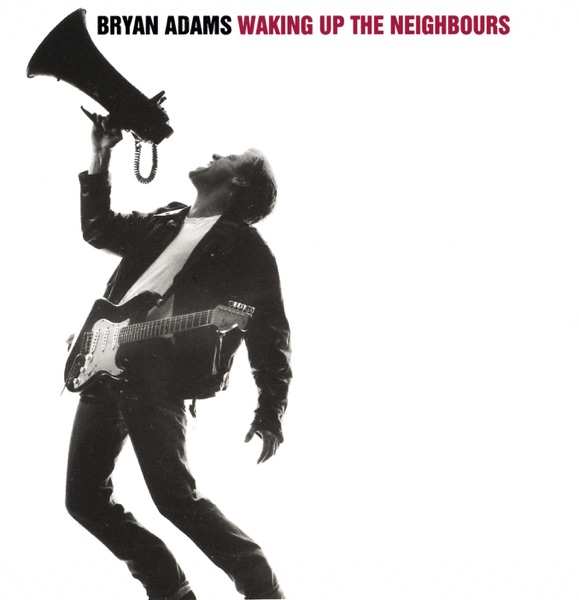
Bryan Adams · Waking Up the Neighbours
Love song borrows the language of prayer and rescue for romantic longing.
Where the words land
Signal: Worth Weighing, leaning strained.
What do these signals mean?
- Edifying: Points the heart toward God, truth, hope, or love.
- Worth Weighing: Real good and real concern together. Test it before you take it in.
- Strained: Strains against Scripture: leans toward what could dull or mislead.
- At Odds: At odds with Scripture: celebrates what it warns against. Little here builds up.
Weighed against Scripture
“Rescue me from the mire”
“I waited patiently for the LORD; He inclined to me and heard my cry. He lifted me up from the pit of despair, out of the miry clay; He set my feet upon a rock, and made my footsteps firm.”
The psalmist cries this exact plea to God and is lifted from the pit; here the same cry is aimed at a lover, who can offer companionship but not that kind of rescue.
“Rescue me from despair”
“The righteous cry out, and the LORD hears; He delivers them from all their troubles. The LORD is near to the brokenhearted; He saves the contrite in spirit.”
Scripture locates real nearness to the brokenhearted in God himself; the song redirects that ache entirely toward a human relationship.
“Do I have to say a prayer?”
“And when you pray, do not babble on like pagans, for they think that by their many words they will be heard. Do not be like them, for your Father knows what you need before you ask Him.”
Prayer here is just a rhetorical stand-in for proving devotion to a partner, emptied of its actual meaning as address to God.
“Every cross that we bear”
Then Jesus said to all of them, “If anyone wants to come after Me, he must deny himself and take up his cross daily and follow Me.
Cross-bearing in Jesus' teaching is costly self-denial in following him; here it's repurposed as shorthand for shared relationship struggles.
Words of Christ are set in red.
In short
This is a love song dressed in the language of desperation and faith, rescue, prayer, crosses, but it's really about wanting a partner to reaffirm their commitment without having to spell it out. The spiritual words are borrowed for dramatic effect rather than carrying real weight. It's an earnest, if slightly overwrought, plea for reassurance in a relationship.
- Spiritual posture
The language of rescue, prayer, and crosses borrows spiritual vocabulary but points entirely toward a romantic partner, not God. It's not hostile to faith, just not reaching for it.
- Apparent intent
This is a straightforward love song about needing reassurance from a partner, using dramatic, almost devotional language to express that need.
What do these ratings mean?
- Lyrical content, what the words say on the surface. Clean: nothing coarse, sexual or violent. Mild: a trace of it, by allusion or a rare word. Strong: profanity, sex or violence in plain words. Explicit: graphic, or sin held up to admire.
- Spiritual posture, where the song's heart points. God-honoring: toward God, truth or hope. Searching: honestly reaching or wrestling toward truth, without arriving. Neutral: spiritually indifferent; neither reaches nor rejects. Dark: despairing, nihilistic, self-exalting or hostile to God.
- Apparent intent, what the song is for. Edifying: worship, encouragement, honest lament. Cathartic: letting grief, anger or longing out, told honestly. Ambiguous: hard to say what the song is for. Harmful: celebrates evil, mocks faith or draws toward sin.
Does the imagery here point you toward a deeper truth, or just repurpose sacred words for a smaller ache?
An AI-assisted reading. It can misread a lyric, a metaphor or a song’s intent.


