Drive
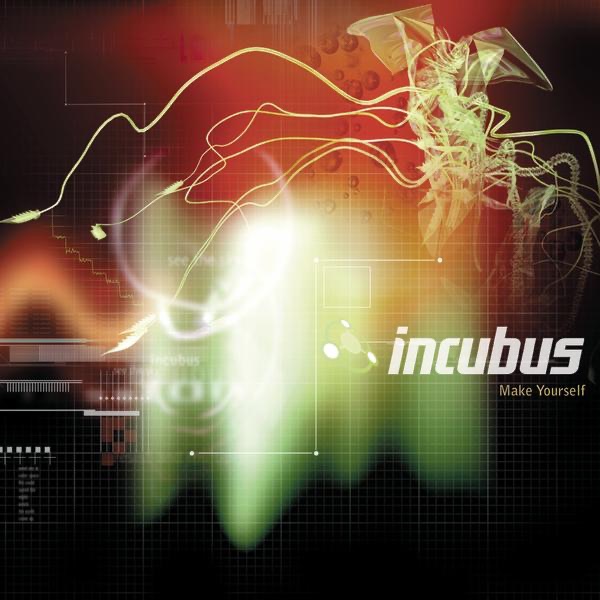
Incubus · Make Yourself
Courage to face fear, but trust placed in self rather than God.
Where the words land
Signal: Worth Weighing, leaning edifying.
What do these signals mean?
- Edifying: Points the heart toward God, truth, hope, or love.
- Worth Weighing: Real good and real concern together. Test it before you take it in.
- Strained: Strains against Scripture: leans toward what could dull or mislead.
- At Odds: At odds with Scripture: celebrates what it warns against. Little here builds up.
Weighed against Scripture
“Should be the one behind the wheel”
“Trust in the LORD with all your heart, and lean not on your own understanding; in all your ways acknowledge Him, and He will make your paths straight.”
Where Proverbs calls us to trust the Lord's direction rather than our own understanding, this lyric places confidence in self-direction instead.
The song as a whole
“For God has not given us a spirit of fear, but of power, love, and self-control.”
The singer names fear as a controlling force he wants to resist, echoing the call to live from power and love rather than timidity.
But if it is unpleasing in your sight to serve the LORD, then choose for yourselves this day whom you will serve, whether the gods your fathers served beyond the Euphrates, or the gods of the Amorites in whose land you are living. As for me and my house, we will serve the LORD!”
The image of choosing one's path mirrors Joshua's call to choose deliberately whom and what you will serve, even if the song's object of choice is self rather than God.
“Search me, O God, and know my heart; test me and know my concerns. See if there is any offensive way in me; lead me in the way everlasting.”
The song's resolve to self-navigate stands apart from the psalmist's posture of inviting God to search and lead the heart.
In short
This is a song about facing fear and choosing to take ownership of one's life rather than being steered by anxiety or crowd mentality. It's hopeful and determined, even if its compass points inward rather than upward. There's real courage here, just aimed at self-reliance rather than surrender to God.
- Spiritual posture
Wrestles with fear versus self-determination, reaching for courage and clarity rather than despair.
- Apparent intent
Written as a personal anthem of overcoming fear and taking responsibility for one's path.
What do these ratings mean?
- Lyrical content, what the words say on the surface. Clean: nothing coarse, sexual or violent. Mild: a trace of it, by allusion or a rare word. Strong: profanity, sex or violence in plain words. Explicit: graphic, or sin held up to admire.
- Spiritual posture, where the song's heart points. God-honoring: toward God, truth or hope. Searching: honestly reaching or wrestling toward truth, without arriving. Neutral: spiritually indifferent; neither reaches nor rejects. Dark: despairing, nihilistic, self-exalting or hostile to God.
- Apparent intent, what the song is for. Edifying: worship, encouragement, honest lament. Cathartic: letting grief, anger or longing out, told honestly. Ambiguous: hard to say what the song is for. Harmful: celebrates evil, mocks faith or draws toward sin.
Where do you turn when fear takes the wheel: inward to your own resolve, or upward in trust?
An AI-assisted reading. It can misread a lyric, a metaphor or a song’s intent.


