Free Bird
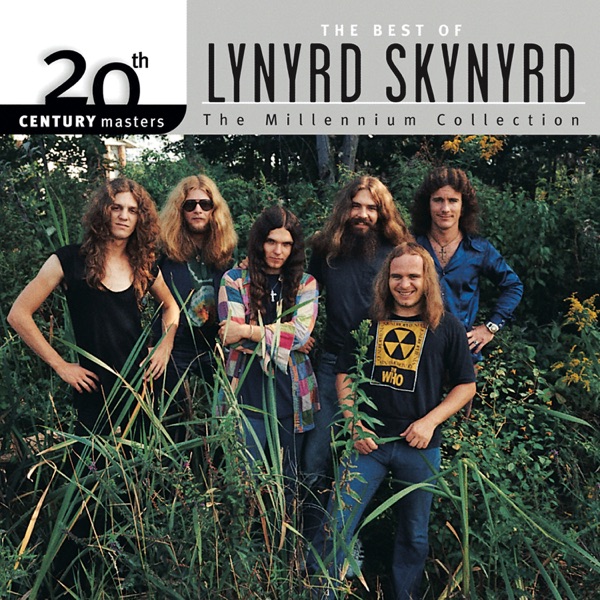
Lynyrd Skynyrd · 20th Century Masters: The Millennium Collection: Best Of Lynyrd Skynyrd
A tender goodbye that treats restlessness as destiny rather than something to wrestle with.
Where the words land
Signal: Worth Weighing, leaning edifying.
What do these signals mean?
- Edifying: Points the heart toward God, truth, hope, or love.
- Worth Weighing: Real good and real concern together. Test it before you take it in.
- Strained: Strains against Scripture: leans toward what could dull or mislead.
- At Odds: At odds with Scripture: celebrates what it warns against. Little here builds up.
Weighed against Scripture
“Cause I'm as free as a bird now”
“For you, brothers, were called to freedom; but do not use your freedom as an opportunity for the flesh. Rather, serve one another in love.”
The singer equates freedom with unattached wandering, while Scripture frames true freedom as freedom to love and serve, not just freedom from commitment.
“The Lord knows I can't change”
“I do not understand what I do. For what I want to do, I do not do. But what I hate, I do. And if I do what I do not want to do, I admit that the law is good. In that case, it is no longer I who do it, but it is sin living in me that does it. I know that nothing good lives in me, that is, in my flesh; for I have the desire to do what is good, but I cannot carry it out. For I do not do the good I want to do. Instead, I keep on doing the evil I do not want to do.”
Paul's lament of being stuck doing what he doesn't want to do mirrors this singer's resigned admission that he can't help who he is.
“Lord, help me, I can't change”
“Create in me a clean heart, O God, and renew a right spirit within me.”
David asks God to actually create a new heart in him, while this cry stops short of asking for change, it's more a plea for release from guilt than a request for transformation.
In short
This is a song about leaving someone you care about because you can't settle, dressed in gentle regret rather than defiance. The invocation of 'the Lord' isn't really theological, it's a folk way of saying 'this is just how I am,' which makes the song more fatalistic than reflective. There's real tenderness in the farewell, but no real wrestling with whether restlessness is something to examine or surrender.
- Spiritual posture
The singer names his restlessness almost like fate ('the Lord knows I can't change') rather than reaching toward God for transformation; it's resigned, not rebellious or worshipful.
- Apparent intent
A classic song of leaving, freedom, and romantic farewell, meant to be felt and sung along to rather than to instruct or moralize.
What do these ratings mean?
- Lyrical content, what the words say on the surface. Clean: nothing coarse, sexual or violent. Mild: a trace of it, by allusion or a rare word. Strong: profanity, sex or violence in plain words. Explicit: graphic, or sin held up to admire.
- Spiritual posture, where the song's heart points. God-honoring: toward God, truth or hope. Searching: honestly reaching or wrestling toward truth, without arriving. Neutral: spiritually indifferent; neither reaches nor rejects. Dark: despairing, nihilistic, self-exalting or hostile to God.
- Apparent intent, what the song is for. Edifying: worship, encouragement, honest lament. Cathartic: letting grief, anger or longing out, told honestly. Ambiguous: hard to say what the song is for. Harmful: celebrates evil, mocks faith or draws toward sin.
Does calling something 'just who I am' close the door on the kind of change you might actually want?
An AI-assisted reading. It can misread a lyric, a metaphor or a song’s intent.


