God's Gonna Cut You Down
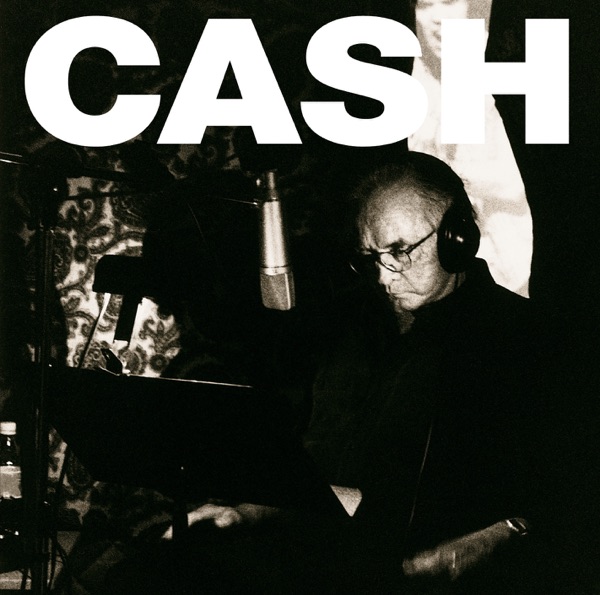
Johnny Cash · American V: A Hundred Highways
A sinner's warning to sinners, rooted in his own encounter with Christ.
Where the words land
Signal: Edifying.
What do these signals mean?
- Edifying: Points the heart toward God, truth, hope, or love.
- Worth Weighing: Real good and real concern together. Test it before you take it in.
- Strained: Strains against Scripture: leans toward what could dull or mislead.
- At Odds: At odds with Scripture: celebrates what it warns against. Little here builds up.
Weighed against Scripture
“Sooner or later God'll cut you down”
“Do not be deceived: God is not to be mocked. Whatever a man sows, he will reap in return.”
The refrain is a plain restatement of the principle that no one escapes the harvest of what they sow.
“Tell the rambler, the gambler, the back biter”
“There are six things that the LORD hates, seven that are detestable to Him: haughty eyes, a lying tongue, hands that shed innocent blood, a heart that devises wicked schemes, feet that run swiftly to evil, a false witness who gives false testimony, and one who stirs up discord among brothers.”
The list of offenders mirrors Proverbs' catalog of things God hates, especially the lying tongue and the sower of discord.
“I've been down on bended knee”
As Saul drew near to Damascus on his journey, suddenly a light from heaven flashed around him. He fell to the ground and heard a voice say to him, “Saul, Saul, why do you persecute Me?” “Who are You, Lord?” Saul asked. “I am Jesus, whom you are persecuting,” He replied. “Now get up and go into the city, and you will be told what you must do.”
The sudden, personal encounter with 'the Man from Galilee' that reorders the singer's life echoes the pattern of a dramatic conversion like Saul's.
“What's down in the dark will be brought to the light”
“There is nothing concealed that will not be disclosed, and nothing hidden that will not be made known. What you have spoken in the dark will be heard in the daylight, and what you have whispered in the inner rooms will be proclaimed from the housetops.”
Jesus' own warning that hidden things will be exposed is almost word for word the song's closing claim.
Words of Christ are set in red.
In short
This is less a threat than a testimony: a man who has done wrong himself warns others that nothing stays hidden from God, grounded in his own encounter with Christ. The judgment theme is real, but it's held together with humility and a call to repentance rather than condemnation of others.
What do these ratings mean?
- Lyrical content, what the words say on the surface. Clean: nothing coarse, sexual or violent. Mild: a trace of it, by allusion or a rare word. Strong: profanity, sex or violence in plain words. Explicit: graphic, or sin held up to admire.
- Spiritual posture, where the song's heart points. God-honoring: toward God, truth or hope. Searching: honestly reaching or wrestling toward truth, without arriving. Neutral: spiritually indifferent; neither reaches nor rejects. Dark: despairing, nihilistic, self-exalting or hostile to God.
- Apparent intent, what the song is for. Edifying: worship, encouragement, honest lament. Cathartic: letting grief, anger or longing out, told honestly. Ambiguous: hard to say what the song is for. Harmful: celebrates evil, mocks faith or draws toward sin.
Does this song's warning feel like judgment from outside, or like an invitation from someone who's been there?
An AI-assisted reading. It can misread a lyric, a metaphor or a song’s intent.