The Master's Call
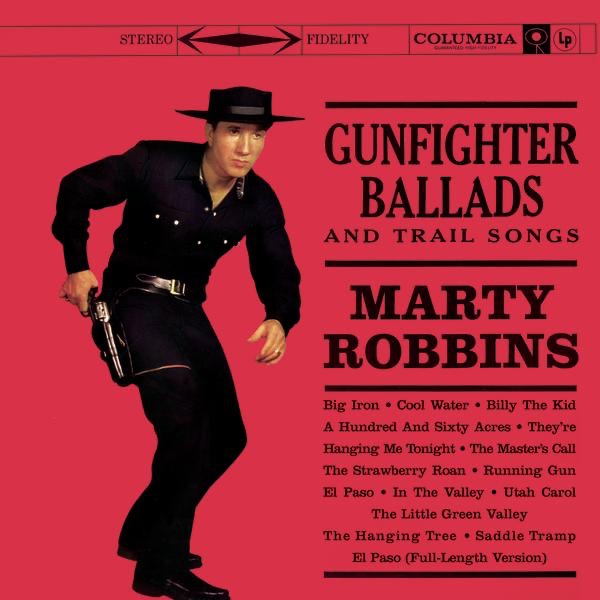
Marty Robbins · Gunfighter Ballads and Trail Songs
A cowboy's near-death moment becomes a divine encounter
What do these signals mean?
- Edifying: Points the heart toward God, truth, hope, or love.
- Worth Weighing: Real good and real concern together. Test it before you take it in.
- Take Caution: Leans toward what could dull or mislead. Approach carefully.
- Consider Avoiding: Celebrates what Scripture warns against. Little here builds up.
Weighed against Scripture
“He sent from above, he took me, he drew me out of many waters.”
The psalmist describes God reaching down to draw him out of deep waters in a moment of mortal danger, which mirrors almost exactly what the narrator of this song experiences.
“And said, I cried by reason of mine affliction unto the LORD, and he heard me; out of the belly of hell cried I, and thou heardest my voice.”
Jonah cries out from the depths and is heard. The cowboy's desperate moment in the river follows the same pattern: crisis, divine response, and a life reoriented.
“Therefore if any man be in Christ, he is a new creature: old things are passed away; behold, all things are become new.”
The narrator does not return to his former way of life after his rescue. That clean break reflects the biblical idea that an encounter with God's grace produces genuine newness.
A rough cowboy is swept off his horse in a raging river during a stampede and, facing certain death, hears what he understands as God calling him home. He survives and walks away from his old life entirely. The song is a conversion narrative dressed in western storytelling clothes, and it earns its spiritual weight because the transformation feels costly and real rather than tidy.
A narrative western ballad with no profanity, violence beyond a cattle stampede, or inappropriate content. The language is vivid storytelling throughout.
The song's entire arc moves toward God. The narrator recognizes his rescue as an act of divine grace and responds with a changed life, pointing squarely toward gratitude and reverence.
Robbins clearly intends this as a gospel-inflected testimony set in the American West. The story is crafted to leave the listener with a sense of God's sovereign care over human life.
When you think about moments in your own life that felt like a near miss, do you sense anything calling you through them, or has that gone unexamined?


