I'll Remember (Theme from the Motion Picture "With Honors")
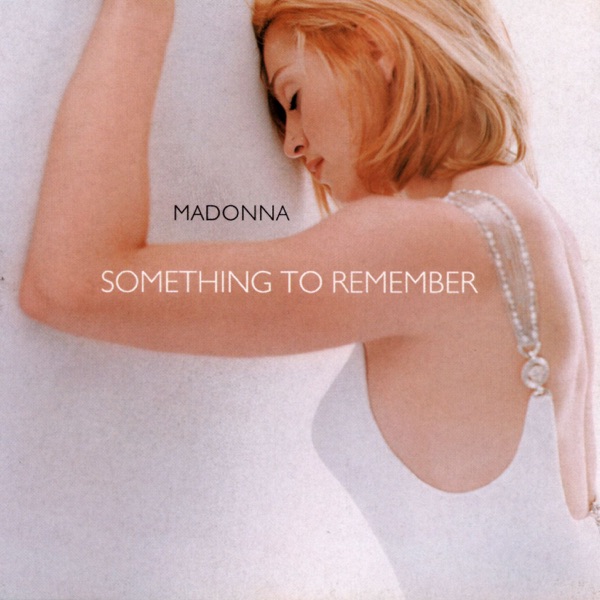
Madonna · Something to Remember
A gentle, grateful song about learning to feel and grow stronger.
Where the words land
Signal: Edifying.
What do these signals mean?
- Edifying: Points the heart toward God, truth, hope, or love.
- Worth Weighing: Real good and real concern together. Test it before you take it in.
- Strained: Strains against Scripture: leans toward what could dull or mislead.
- At Odds: At odds with Scripture: celebrates what it warns against. Little here builds up.
Weighed against Scripture
“Say goodbye to not knowing how to cry”
“a time to weep and a time to laugh, a time to mourn and a time to dance,”
The song frames learning to weep as part of becoming whole, echoing the wisdom that there is a time to mourn as part of a full life.
“I'll remember the way that you saved me”
“I waited patiently for the LORD; He inclined to me and heard my cry. He lifted me up from the pit of despair, out of the miry clay; He set my feet upon a rock, and made my footsteps firm. He put a new song in my mouth, a hymn of praise to our God. Many will see and fear and put their trust in the LORD.”
Like the psalmist recalling rescue from a pit, the singer looks back gratefully on being drawn out of brokenness into stability.
“I learned to let go of the illusion that we can possess”
“Yet when I considered all the works that my hands had accomplished and what I had toiled to achieve, I found everything to be futile, a pursuit of the wind; there was nothing to be gained under the sun.”
The lyric's release of the illusion of possession mirrors the Preacher's realization that grasping after things is ultimately empty.
The song as a whole
“You turned my mourning into dancing; You peeled off my sackcloth and clothed me with joy, that my heart may sing Your praises and not be silent. O LORD my God, I will give thanks forever.”
The song's overall arc, turning mourning into strength and gratitude, resembles the psalm's movement from lament to thanksgiving, though addressed to a person rather than God.
In short
This is a tender reflection on healing and gratitude, written for the film 'Evita' about a transformative relationship that taught the singer to feel and grow. It doesn't name God, but its posture of thankfulness, vulnerability, and moving from brokenness to strength resonates with biblical patterns of lament turning to praise. The 'you' addressed could be read many ways, but the gratitude itself is genuine and warm.
- Spiritual posture
The song reaches toward healing, strength, and transformation through a relationship, without naming God directly, but the posture is grateful and hopeful.
- Apparent intent
Written for a film about self-discovery, the song processes pain into gratitude and newfound strength, aiming to encourage rather than wallow.
What do these ratings mean?
- Lyrical content, what the words say on the surface. Clean: nothing coarse, sexual or violent. Mild: a trace of it, by allusion or a rare word. Strong: profanity, sex or violence in plain words. Explicit: graphic, or sin held up to admire.
- Spiritual posture, where the song's heart points. God-honoring: toward God, truth or hope. Searching: honestly reaching or wrestling toward truth, without arriving. Neutral: spiritually indifferent; neither reaches nor rejects. Dark: despairing, nihilistic, self-exalting or hostile to God.
- Apparent intent, what the song is for. Edifying: worship, encouragement, honest lament. Cathartic: letting grief, anger or longing out, told honestly. Ambiguous: hard to say what the song is for. Harmful: celebrates evil, mocks faith or draws toward sin.
Who or what in your own life has taught you to cry, to let go, and to stand stronger, and have you thanked them or God for it?
An AI-assisted reading. It can misread a lyric, a metaphor or a song’s intent.