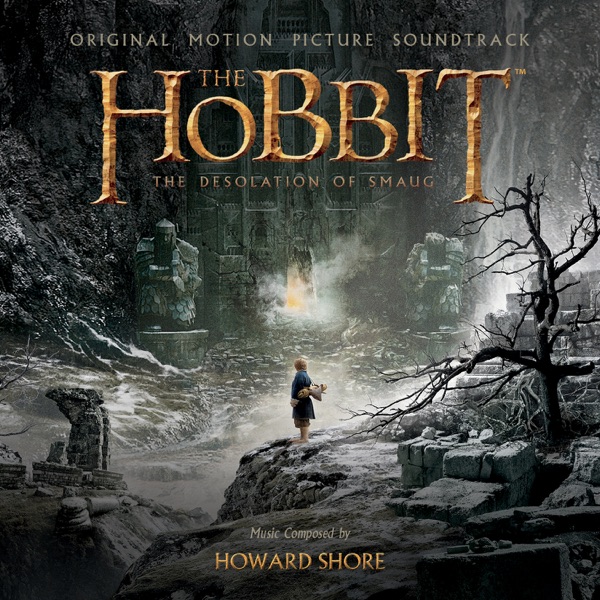
I See Fire
Ed Sheeran · The Hobbit: The Desolation of Smaug (Original Motion Picture Soundtrack)
A battle-hymn of loyalty and longing to be remembered amid disaster.
Where the words land
Signal: Edifying, leaning worth weighing.
What do these signals mean?
- Edifying: Points the heart toward God, truth, hope, or love.
- Worth Weighing: Real good and real concern together. Test it before you take it in.
- Strained: Strains against Scripture: leans toward what could dull or mislead.
- At Odds: At odds with Scripture: celebrates what it warns against. Little here builds up.
Weighed against Scripture
“Calling out father oh, stand by and we will”
“God is our refuge and strength, an ever-present help in times of trouble.”
The cry for a steadying father figure amid chaos mirrors the psalmist's trust in God as refuge in disaster.
“If this to end in fire, then we should all burn together”
If the God whom we serve exists, then He is able to deliver us from the blazing fiery furnace and from your hand, O king. But even if He does not, let it be known to you, O king, that we will not serve your gods or worship the golden statue you have set up.”
The willingness to face flames together recalls the defiant solidarity of Shadrach, Meshach, and Abednego before the furnace.
“And I hope that you remember me”
Then he said, “Jesus, remember me when You come into Your kingdom!”
A plea to be remembered in the face of death echoes the thief's request to Jesus on the cross, a longing not to be forgotten.
The song as a whole
“To everything there is a season, and a time for every purpose under heaven: a time to be born and a time to die, a time to plant and a time to uproot,”
The song's resigned acceptance of mortality and shared fate reflects the Preacher's acknowledgment of appointed times for life and death.
In short
This is a story-song, not a confession: a soldier's lament in the face of annihilation, written for a fantasy war scene. It leans on themes of loyalty, courage, and the ache to be remembered rather than despair for its own sake. The cry to 'father' suggests a longing for protection even amid devastation. There's no glorification of destruction, only an honest reckoning with mortality shared among brothers.
- Spiritual posture
The song cries out to a father figure amid disaster, longing for solidarity and remembrance rather than resolution or despair.
- Apparent intent
Written for The Hobbit films, it's a narrative piece capturing loyalty and courage facing destruction, not a statement of personal worldview.
What do these ratings mean?
- Lyrical content, what the words say on the surface. Clean: nothing coarse, sexual or violent. Mild: a trace of it, by allusion or a rare word. Strong: profanity, sex or violence in plain words. Explicit: graphic, or sin held up to admire.
- Spiritual posture, where the song's heart points. God-honoring: toward God, truth or hope. Searching: honestly reaching or wrestling toward truth, without arriving. Neutral: spiritually indifferent; neither reaches nor rejects. Dark: despairing, nihilistic, self-exalting or hostile to God.
- Apparent intent, what the song is for. Edifying: worship, encouragement, honest lament. Cathartic: letting grief, anger or longing out, told honestly. Ambiguous: hard to say what the song is for. Harmful: celebrates evil, mocks faith or draws toward sin.
Does this song's portrayal of courage and solidarity in the face of death stir something true in you about loyalty and hope?
An AI-assisted reading. It can misread a lyric, a metaphor or a song’s intent.