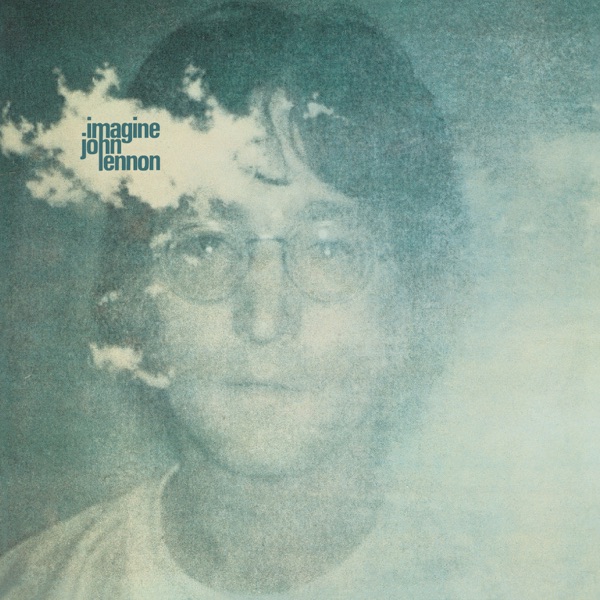
Imagine
John Lennon · Imagine
A beautiful dream for peace, built on imagining God away.
Where the words land
Signal: Strained, leaning worth weighing.
What do these signals mean?
- Edifying: Points the heart toward God, truth, hope, or love.
- Worth Weighing: Real good and real concern together. Test it before you take it in.
- Strained: Strains against Scripture: leans toward what could dull or mislead.
- At Odds: At odds with Scripture: celebrates what it warns against. Little here builds up.
Weighed against Scripture
“Imagine there's no heaven”
“Therefore, since you have been raised with Christ, strive for the things above, where Christ is seated at the right hand of God. Set your minds on things above, not on earthly things.”
Scripture calls believers to set their minds on heaven, not to imagine it away; the song's premise inverts this longing.
“A brotherhood of man”
“Come,” they said, “let us build for ourselves a city with a tower that reaches to the heavens, that we may make a name for ourselves and not be scattered over the face of all the earth.”
The dream of humanity unified by its own effort, without God, echoes Babel's ambition more than any lasting peace.
The song as a whole
The fool says in his heart, “There is no God.” They are corrupt; their acts are vile. There is no one who does good.
The psalm names the folly of a worldview that erases God from the picture, which this lyric does quite literally.
“Peace I leave with you; My peace I give to you. I do not give to you as the world gives. Do not let your hearts be troubled; do not be afraid.”
Jesus offers peace rooted in himself, not in the absence of belief; the song seeks peace by subtraction rather than through Christ.
“They exchanged the truth of God for a lie, and worshiped and served the creature rather than the Creator, who is forever worthy of praise! Amen.”
The song's longing for peace and unity is genuine, but it exchanges the Creator's truth for a hope placed entirely in human goodness.
Words of Christ are set in red.
In short
Imagine is a sincere plea for global peace and unity, but it gets there by asking listeners to discard heaven, hell, and religion altogether. The yearning for brotherhood and an end to greed and war is admirable and human, but the song locates hope entirely in human effort stripped of God rather than in him. It's beautiful in its craft and intention, but its foundation stands opposed to the gospel's picture of peace.
- Spiritual posture
The song explicitly asks listeners to imagine no heaven, no religion, and no afterlife, replacing them with a self-made utopia of human unity.
- Apparent intent
Lennon's aim seems sincere and idealistic, a longing for peace and brotherhood, but it's built on dismissing God and eternity rather than pointing toward them.
What do these ratings mean?
- Lyrical content, what the words say on the surface. Clean: nothing coarse, sexual or violent. Mild: a trace of it, by allusion or a rare word. Strong: profanity, sex or violence in plain words. Explicit: graphic, or sin held up to admire.
- Spiritual posture, where the song's heart points. God-honoring: toward God, truth or hope. Searching: honestly reaching or wrestling toward truth, without arriving. Neutral: spiritually indifferent; neither reaches nor rejects. Dark: despairing, nihilistic, self-exalting or hostile to God.
- Apparent intent, what the song is for. Edifying: worship, encouragement, honest lament. Cathartic: letting grief, anger or longing out, told honestly. Ambiguous: hard to say what the song is for. Harmful: celebrates evil, mocks faith or draws toward sin.
Can lasting peace and brotherhood be built on imagining God out of the picture, or do they ultimately need him?
An AI-assisted reading. It can misread a lyric, a metaphor or a song’s intent.