Jumper
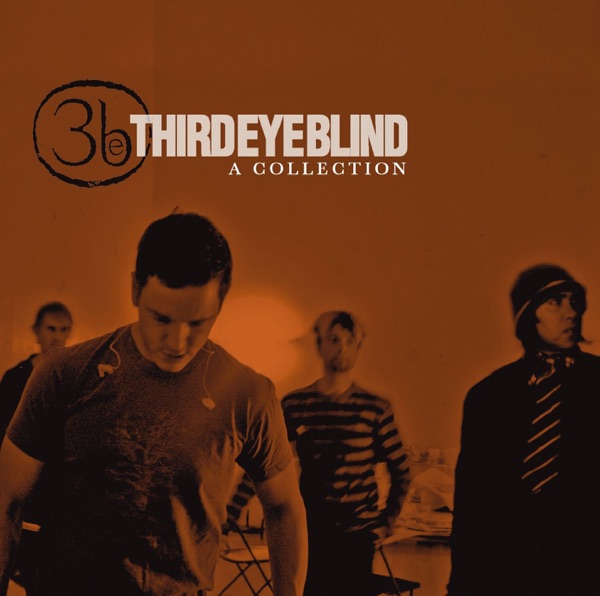
Third Eye Blind · A Collection (Remastered)
A friend's raw, steady plea against giving up on life.
Where the words land
Signal: Worth Weighing, leaning edifying.
What do these signals mean?
- Edifying: Points the heart toward God, truth, hope, or love.
- Worth Weighing: Real good and real concern together. Test it before you take it in.
- Strained: Strains against Scripture: leans toward what could dull or mislead.
- At Odds: At odds with Scripture: celebrates what it warns against. Little here builds up.
Weighed against Scripture
“step back from that ledge, my friend”
“The LORD is near to the brokenhearted; He saves the contrite in spirit.”
The singer's plea toward someone broken-hearted mirrors God's own nearness to the crushed in spirit.
“Icing over a secret pain”
“Even in laughter the heart may ache, and joy may end in sorrow.”
Names the way outward anger or bravado can mask deep private grief, as the proverb observes.
“your friends have left you, you've been dismissed”
“Look to my right and see; no one attends to me. There is no refuge for me; no one cares for my soul.”
Captures the isolation of feeling abandoned by everyone, a lament the psalmist voices directly to God.
“I would understand”
“Rejoice with those who rejoice; weep with those who weep.”
The refrain of steady presence and understanding reflects the call to mourn with those who mourn rather than turn away.
The song as a whole
“Two are better than one, because they have a good return for their labor. For if one falls down, his companion can lift him up; but pity the one who falls without another to help him up!”
The whole song embodies the value of having someone present to lift you up when you fall, rather than facing despair alone.
In short
This is a song of pleading presence, not despair for its own sake. The narrator doesn't offer easy answers but refuses to look away from a friend's pain, promising understanding no matter what the friend decides. It stays in the hard middle, between tragedy and hope, without pretending resolution is simple.
- Lyrical content
No profanity or explicit content; imagery of a suicide attempt and a hospital crisis is direct but not gratuitous.
- Spiritual posture
The song doesn't invoke God, but it reaches toward compassion, honesty, and pleading for someone to choose life, which is a God-ward posture even without the vocabulary.
What do these ratings mean?
- Lyrical content, what the words say on the surface. Clean: nothing coarse, sexual or violent. Mild: a trace of it, by allusion or a rare word. Strong: profanity, sex or violence in plain words. Explicit: graphic, or sin held up to admire.
- Spiritual posture, where the song's heart points. God-honoring: toward God, truth or hope. Searching: honestly reaching or wrestling toward truth, without arriving. Neutral: spiritually indifferent; neither reaches nor rejects. Dark: despairing, nihilistic, self-exalting or hostile to God.
- Apparent intent, what the song is for. Edifying: worship, encouragement, honest lament. Cathartic: letting grief, anger or longing out, told honestly. Ambiguous: hard to say what the song is for. Harmful: celebrates evil, mocks faith or draws toward sin.
Does this song's honesty about pain and presence help you sit with someone's suffering, or does it feel too heavy to carry alone right now?
An AI-assisted reading. It can misread a lyric, a metaphor or a song’s intent.


